Love this? Save it for later!
Share the inspiration with your friends
I want to make something that tastes like a warm hug and a crisp autumn leaf at the same time. My hands are covered in orange dust from peeling the squash, and the kitchen smells like nutmeg and brown butter. I have everything except the final layer of crispy sage, and honestly, that’s the part I’m most worried about burning.
You know how some meals just feel like they require a specific kind of patience? This isn’t one of those fast weeknight dinners. It’s a slow, layered process that rewards you with comfort. I stared at the empty baking dish for a minute, thinking about how heavy the lasagna noodles would feel once soaked.
There’s a specific kind of magic when you blend roasted vegetables into a béchamel sauce. It changes the whole game. Instead of just cheese, you get a silky, orange-hued cream that clings to every noodle. I realized I needed to get the sage frying right now before the butter browns too much.
It’s funny how a simple vegetable can take center stage like this. I remember trying to make this for the first time and undercooking the squash, which left it grainy. Never again. Now, I roast it until it’s completely sweet and caramelized. That sweetness balances the savory sage and the sharp cheese perfectly.
I’m ready to assemble. The house is getting warmer, and the anticipation is building. This creamy butternut squash lasagna with crispy sage is going to be the star of the table. It’s not just dinner; it’s a moment of calm in a busy week.
Why You’ll Love This Recipe
Let’s be real for a second. Making lasagna from scratch usually feels like a full-time job. You have to boil noodles, make a meat sauce, prepare cheese fillings, and then deal with the cleanup. This recipe cuts out half that stress while keeping all the soul-soothing satisfaction. I’ve tested this version multiple times, and it’s the one that finally made my family stop scrolling through their phones and actually taste the food.
Here is why this creamy butternut squash lasagna with crispy sage deserves a spot in your weekly rotation:
- Quick & Easy Prep: While it does take time to bake, the active prep is surprisingly fast. By roasting the squash in bulk, you can assemble this in under 45 minutes. It’s perfect for those Sunday evenings when you want something special but don’t have hours to spare.
- Simple Ingredients: You don’t need a specialty grocery store for this. Most of these items are likely already in your pantry or fridge. The squash is affordable, especially in the fall, and the sage is a cheap herb that adds massive flavor.
- Perfect for Hosting: This dish looks impressive enough for a dinner party but is forgiving enough for a cozy night in. It’s vegetarian-friendly, so it appeals to everyone, even the meat-eaters at your table.
- Crowd-Pleaser: Kids who usually shy away from vegetables often devour this because the texture is so smooth and the flavor is comforting. It’s next-level comfort food without the heaviness of a traditional meat lasagna.
- Unbelievably Delicious: The combination of sweet squash, nutty brown butter, and crispy sage creates a flavor profile that is complex yet familiar. It’s the kind of meal that makes you close your eyes after the first bite.
What makes this recipe different from the rest is the sauce. Instead of relying solely on dairy for creaminess, we puree the roasted squash into the béchamel. This creates an ultra-smooth, vibrant orange sauce that tastes richer than it actually is. It’s a creative twist that elevates a classic dish into something memorable. It’s healthier, faster, but with the same deep satisfaction.
What Ingredients You Will Need
This recipe uses simple, wholesome ingredients to deliver bold flavor and satisfying texture without the fuss. The beauty of this creamy butternut squash lasagna with crispy sage lies in the quality of a few key components. Since there are fewer ingredients, each one needs to shine.
- Butternut Squash (2 large, approx. 3-4 lbs): Look for squash that feels heavy for its size with a matte, tan skin. Avoid any with soft spots. Roasting these brings out natural sugars that balance the savory elements. In winter, you can use frozen squash cubes if you’re in a pinch, though fresh is better.
- Unsalted Butter (1 cup): We use a lot of butter here for the brown butter sage topping and the sauce. I recommend using a high-quality European-style butter like Plugrá or Kerrygold for the best nutty flavor. Salted butter can be used, but you’ll need to reduce the added salt in the recipe.
- Fresh Sage Leaves (1 large bunch): Fresh sage is non-negotiable here. Dried sage lacks the aromatic punch needed for the crispy topping. Look for bright green leaves without yellowing. If you can’t find fresh, try to find high-quality dried, but the texture won’t be the same.
- Lasagna Noodles (1 box, approx. 12-16 sheets): You can use traditional boiled noodles or no-boil varieties. I prefer boiling them for 2 minutes less than the package directs so they finish cooking in the oven. This ensures a tender but not mushy texture.
- Whole Milk Ricotta Cheese (15 oz): Use whole milk ricotta for a creamier result. If you prefer a lighter option, part-skim works, but the dish might feel a bit dry. Draining excess whey from the ricotta before using it is a pro tip for better structure.
- Whole Milk (2 cups): Full-fat milk creates a richer béchamel sauce. Skim milk will result in a thin, watery sauce that won’t coat the noodles properly.
- All-Purpose Flour (1/4 cup): This is the thickener for the sauce. Make sure it’s sifted to avoid lumps in your creamy base.
- Nutmeg (1/4 tsp, freshly grated): Freshly grated nutmeg is essential. Pre-ground nutmeg loses its potency quickly and can taste dusty. A little bit goes a long way in enhancing the squash flavor.
- Mozzarella and Parmesan Cheese (2 cups mozzarella, 1 cup parmesan): Use low-moisture mozzarella for better melting. Fresh mozzarella can make the lasagna watery. Parmesan adds the necessary salty, umami kick to balance the sweet squash.
- Garlic (3 cloves, minced): Fresh garlic adds depth to the sauce. Don’t use jarred garlic if you can help it; it has a metallic aftertaste that clashes with the delicate squash.
- Olive Oil (2 tbsp): Used for roasting the squash and sautéing the garlic. A good extra virgin olive oil adds a fruity note to the base.
- Salt and Black Pepper (to taste): Season generously at each stage. The squash needs salt to draw out moisture and concentrate flavor.
Equipment Needed
To make this creamy butternut squash lasagna with crispy sage successfully, you’ll need a few standard kitchen tools. You don’t need anything overly specialized, which is part of the appeal.
- Large Baking Sheet: Essential for roasting the squash in a single layer. This ensures caramelization rather than steaming. A rimmed sheet pan works best to catch any juices.
- Immersion Blender or Standard Blender: You need to puree the roasted squash until it is completely smooth. An immersion blender is easier for this, but a standard blender works too. Just be careful when blending hot liquids; vent the lid and hold it down with a towel.
- Large Dutch Oven or Heavy-Bottomed Pot: This is crucial for making the béchamel sauce. A heavy bottom prevents the milk and flour mixture from scorching. If you don’t have one, a large saucepan will do, but you’ll need to stir constantly.
- 9×13 Inch Baking Dish: A standard lasagna pan. Glass or ceramic dishes work best for even heating. Metal pans might cook the edges too quickly.
- Fine Mesh Sieve: Helpful for sifting the flour into the butter to avoid lumps. It’s a small tool that makes a big difference in texture.
- Cutting Board and Sharp Knife: You’ll need to peel and cube the squash. A sharp chef’s knife makes this much safer and easier.
If you don’t have an immersion blender, transferring the hot squash to a standard blender is fine, but let it cool slightly first to prevent pressure buildup. For the baking dish, if yours is smaller, you might need to double the recipe or bake it in two smaller pans.
Preparation Method
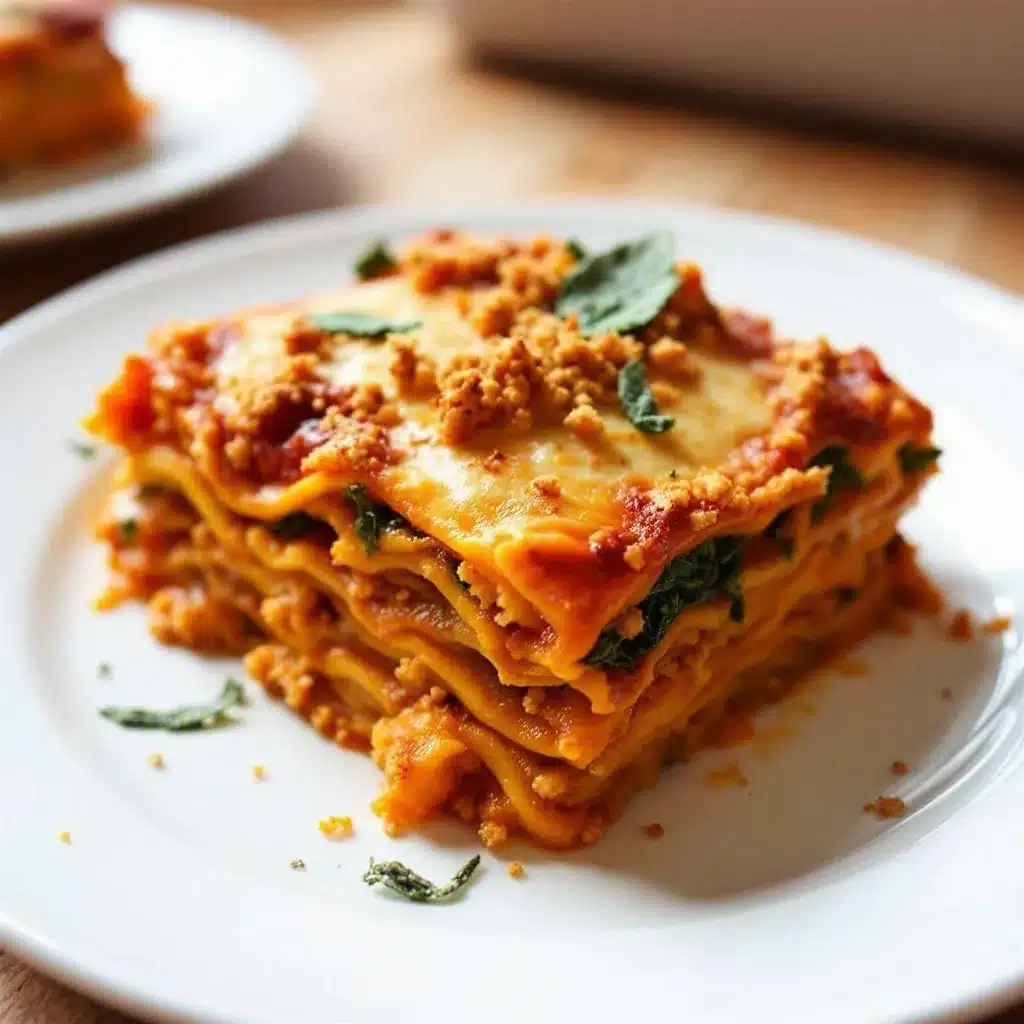
Making this creamy butternut squash lasagna with crispy sage is a step-by-step process. Take your time, and the result will be worth it.
Step 1: Roast the Squash
Preheat your oven to 400°F (200°C). Line a large baking sheet with parchment paper for easy cleanup. Peel the butternut squash and remove the seeds. Cube the flesh into 1-inch pieces. Place the cubes on the baking sheet and drizzle with olive oil. Toss to coat evenly. Season generously with salt and pepper. Roast for 25-30 minutes until the squash is tender and caramelized at the edges. Let it cool slightly.
Step 2: Puree the Squash
Transfer the roasted squash to a blender or use an immersion blender directly in the bowl. Blend until completely smooth. If the puree is too thick, add a splash of milk or water. You should have about 3-4 cups of smooth squash puree. Set aside. This puree will form the base of your sauce, giving it that vibrant orange color and sweet flavor.
Step 3: Make the Béchamel Sauce
In a large Dutch oven, melt the butter over medium heat. Cook until the butter foams and turns golden brown, with a nutty aroma. This takes about 5-7 minutes. Watch it closely so it doesn’t burn. Remove from heat and whisk in the flour to make a roux. Cook for 1 minute. Slowly whisk in the milk, a little at a time, to prevent lumps. Add the minced garlic, nutmeg, salt, and pepper. Cook, stirring constantly, until the sauce thickens enough to coat the back of a spoon. This should take about 5 minutes. Remove from heat and stir in half of the ricotta cheese and half of the parmesan cheese.
Step 4: Prepare the Noodles
Bring a large pot of salted water to a boil. Cook the lasagna noodles according to package directions, but reduce the time by 2 minutes. They should be al dente. Drain and rinse with cold water to stop the cooking process. Lay the noodles flat on a clean towel or parchment paper to prevent sticking.
Step 5: Assemble the Lasagna
Preheat the oven to 375°F (190°C). Spread a thin layer of the squash sauce on the bottom of a 9×13 inch baking dish. Place a layer of noodles over the sauce. Spread half of the remaining squash sauce over the noodles. Dollop the rest of the ricotta mixture over the sauce. Sprinkle with half of the mozzarella cheese. Repeat the layers: noodles, remaining sauce, remaining ricotta, and remaining mozzarella. Finish with a final layer of noodles and top with the remaining parmesan cheese.
Step 6: Bake
Cover the baking dish tightly with aluminum foil. Bake for 25 minutes. Remove the foil and bake for another 15-20 minutes until the cheese is bubbly and golden brown. Let the lasagna rest for 15 minutes before slicing. This allows the layers to set and makes serving much easier.
Step 7: Make the Crispy Sage
While the lasagna rests, heat the remaining butter in a small skillet over medium heat. Once melted and foaming, add the sage leaves. Fry for 1-2 minutes until crisp and dark green. Remove with a slotted spoon and drain on paper towels. Sprinkle the crispy sage over the lasagna just before serving.
Cooking Tips & Techniques
There are a few tricks to getting this creamy butternut squash lasagna with crispy sage perfect. First, don’t skip the browning of the butter. It adds a depth of flavor that raw butter just can’t match. If the butter turns dark brown or black, start over. Burnt butter tastes bitter and ruins the dish.
Another common mistake is overcooking the noodles. If you boil them until they are fully soft, they will turn to mush in the oven. Undercooking them slightly ensures they finish cooking in the sauce, absorbing the flavors as they go.
When making the béchamel, keep the heat medium-low. High heat can cause the milk to separate or the flour to scorch. Whisking constantly is key to a smooth sauce. If you see lumps, strain the sauce through a fine mesh sieve before adding the cheese.
For the crispy sage, make sure the leaves are completely dry before frying. Any moisture will cause the oil to splatter and prevent crisping. Also, don’t overcrowd the pan. Fry the sage in batches if needed to ensure even cooking.
Variations & Adaptations
This recipe is quite flexible, allowing you to adapt it to your dietary needs or taste preferences.
- Gluten-Free Option: Use gluten-free lasagna noodles. Make sure to check that your baking powder and other ingredients are certified gluten-free. You can also substitute the flour in the béchamel with a gluten-free 1:1 baking flour.
- Dairy-Free: Swap the butter for a dairy-free alternative like vegan butter or coconut oil. Use a dairy-free milk like oat or soy milk for the sauce. Replace the ricotta with a cashew-based ricotta or tofu ricotta. Use nutritional yeast instead of parmesan for a cheesy flavor.
- Vegetable Add-ins: You can add sautéed spinach or kale to the layers for extra greens. Just make sure to squeeze out excess moisture from the cooked greens to prevent a watery lasagna.
- Protein Boost: Add cooked sausage or crumbled bacon between the layers for a non-vegetarian version. The salty meat pairs well with the sweet squash.
I once tried adding some roasted red peppers to the layers, and it added a nice smoky kick. It was a successful variation, though the color scheme got a bit chaotic. Stick to the classic ingredients for the best visual appeal.
Serving & Storage Suggestions
Serve this creamy butternut squash lasagna with crispy sage warm. It pairs beautifully with a simple arugula salad dressed with lemon vinaigrette to cut through the richness. A glass of Pinot Noir or Chardonnay also complements the nutty flavors.
Leftovers can be stored in an airtight container in the refrigerator for up to 4 days. Reheat individual portions in the microwave or warm the whole dish in a 350°F oven until heated through. The lasagna tastes even better the next day as the flavors meld together.
You can also freeze the uncooked lasagna. Wrap it tightly in plastic wrap and aluminum foil. Freeze for up to 3 months. Thaw in the refrigerator overnight before baking. Add 10-15 minutes to the baking time if cooking from frozen.
Nutritional Information & Benefits
This creamy butternut squash lasagna with crispy sage is not only delicious but also nutritious. Butternut squash is rich in vitamins A and C, which support immune health and vision. It’s also a good source of fiber, aiding digestion.
The recipe provides a good balance of carbohydrates from the noodles and protein from the cheese. However, it is relatively high in calories due to the butter and cheese content. Enjoy it as part of a balanced meal.
For those watching their carb intake, using zucchini noodles or eggplant slices instead of pasta can significantly reduce the carbohydrate count. This makes the dish more suitable for low-carb diets.
Conclusion
This creamy butternut squash lasagna with crispy sage is a testament to the power of simple, seasonal ingredients. It’s a dish that brings warmth and comfort to any table. I hope you try it and enjoy it as much as I do.
Feel free to customize it with your favorite herbs or vegetables. The beauty of cooking is in the experimentation. Share your adaptations in the comments below. I love hearing how others tweak recipes to suit their tastes.
Don’t forget to share your photos on social media. Tag me so I can see your creations. Happy cooking!
FAQs
Can I use fresh ricotta instead of store-bought?
Yes, fresh ricotta is even better. However, it tends to be wetter. Make sure to drain it in a cheesecloth for a few hours before using to remove excess whey. This prevents the lasagna from becoming soggy.
How do I prevent the lasagna from being watery?
Roasting the squash until all moisture evaporates is key. Also, ensure the béchamel sauce is thick enough before assembling. If the sauce is too thin, cook it a bit longer. Avoid using fresh mozzarella, as it releases a lot of water.
Can I make this ahead of time?
Absolutely. Assemble the lasagna up to 24 hours in advance. Cover and refrigerate. When ready to bake, you may need to add a few extra minutes to the baking time since the dish will be cold.
What kind of sage works best?
Fresh sage leaves are essential for the crispy topping. Dried sage does not crisp up in butter and lacks the fresh aroma. Buy a fresh bunch and freeze the extra leaves for future use.
Is this recipe freezer-friendly?
Yes, it freezes well. You can freeze the cooked lasagna or the uncooked assembled dish. Wrap tightly to prevent freezer burn. Thaw overnight in the fridge before reheating.
Pin This Recipe!
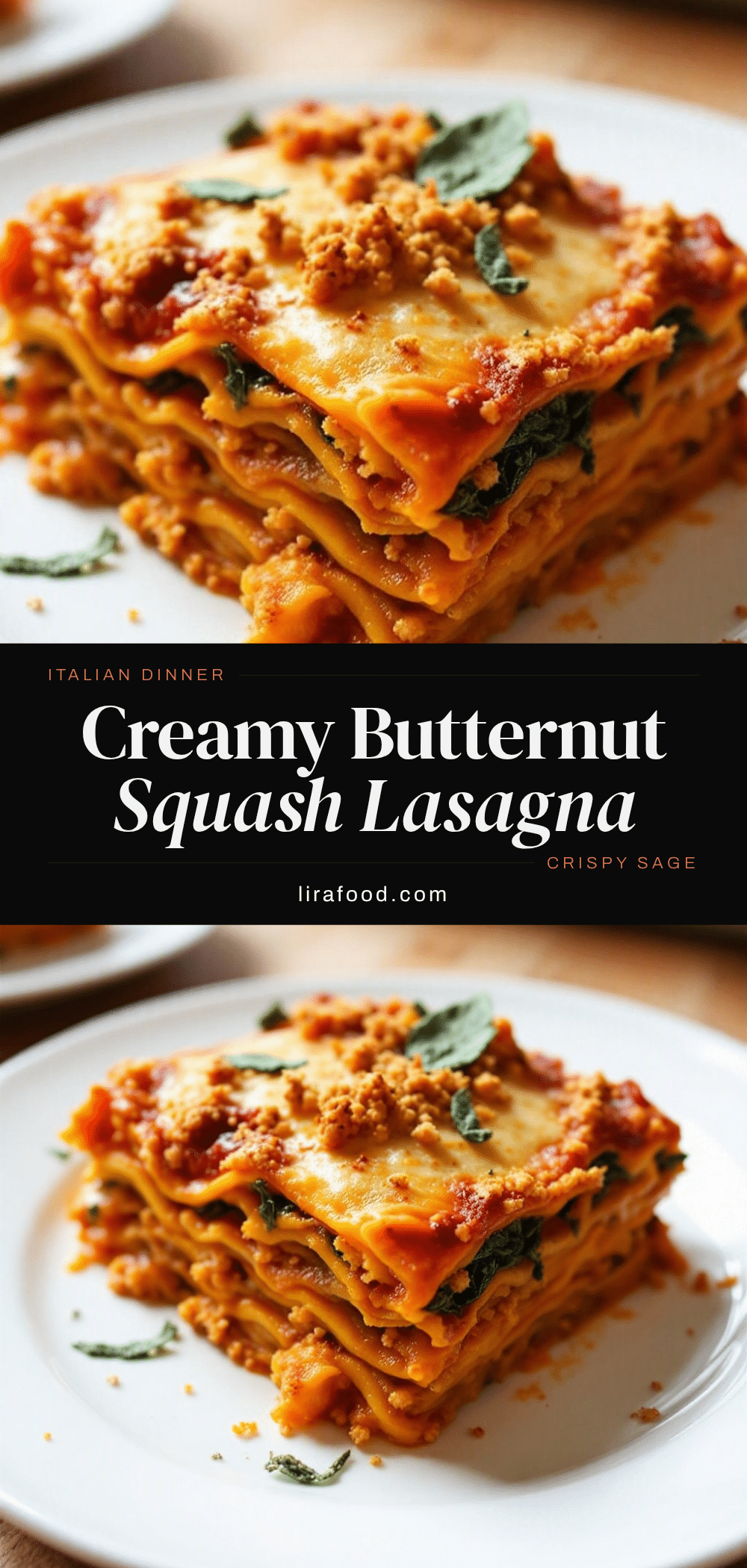
Creamy Butternut Squash Lasagna with Crispy Sage
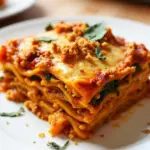
A comforting vegetarian lasagna featuring a silky butternut squash béchamel sauce, layered with ricotta and cheeses, and topped with nutty brown butter and crispy sage leaves.
- Prep Time: 45 minutes
- Cook Time: 60 minutes
- Total Time: 1 hour 45 minutes
- Yield: 8 servings 1x
- Category: Main Course
- Cuisine: Italian
Ingredients
- 2 large butternut squash (approx. 3–4 lbs)
- 1 cup unsalted butter
- 1 large bunch fresh sage leaves
- 1 box lasagna noodles (approx. 12–16 sheets)
- 15 oz whole milk ricotta cheese
- 2 cups whole milk
- 1/4 cup all-purpose flour
- 1/4 tsp freshly grated nutmeg
- 2 cups low-moisture mozzarella cheese
- 1 cup parmesan cheese
- 3 cloves garlic, minced
- 2 tbsp olive oil
- Salt and black pepper to taste
Instructions
- Preheat oven to 400°F (200°C). Peel and cube the butternut squash into 1-inch pieces. Toss with olive oil, salt, and pepper, then roast on a baking sheet for 25-30 minutes until tender and caramelized.
- Puree the roasted squash until completely smooth using a blender or immersion blender. Set aside.
- In a large Dutch oven, melt butter over medium heat until it turns golden brown and nutty (5-7 minutes). Remove from heat and whisk in flour to make a roux; cook for 1 minute.
- Slowly whisk in milk, garlic, nutmeg, salt, and pepper. Cook, stirring constantly, until the sauce thickens (about 5 minutes). Remove from heat and stir in half of the ricotta and half of the parmesan.
- Boil lasagna noodles in salted water for 2 minutes less than package directions. Drain, rinse with cold water, and lay flat to prevent sticking.
- Preheat oven to 375°F (190°C). Spread a thin layer of sauce in a 9×13 inch baking dish. Layer noodles, remaining sauce, remaining ricotta mixture, and half the mozzarella. Repeat layers. Top with final noodles and remaining parmesan.
- Cover with foil and bake for 25 minutes. Remove foil and bake for another 15-20 minutes until bubbly and golden. Let rest for 15 minutes before slicing.
- While lasagna rests, melt remaining butter in a skillet over medium heat. Fry sage leaves for 1-2 minutes until crisp. Drain on paper towels and sprinkle over lasagna before serving.
Notes
Ensure squash is roasted until caramelized to balance savory elements. Do not burn the butter when making the brown butter sage topping. For a gluten-free version, use gluten-free noodles and flour. For dairy-free, substitute with vegan butter, oat milk, and cashew ricotta.
Nutrition
- Serving Size: 1 slice
- Calories: 550
- Sugar: 8
- Sodium: 680
- Fat: 32
- Saturated Fat: 18
- Carbohydrates: 45
- Fiber: 6
- Protein: 22
Keywords: butternut squash lasagna, vegetarian lasagna, crispy sage, fall recipes, comfort food, squash recipe, creamy lasagna