Love this? Save it for later!
Share the inspiration with your friends
“So is this, like, your mom’s meatloaf or something?” my friend Jen asked, peering over my shoulder at the mixing bowl. I laughed and shook my head. “No, this one’s mine. Took me about twelve tries to get it right.” She didn’t believe me at first, and honestly? I don’t blame her. Meatloaf is one of those dishes that feels like it should come with a family heirloom attached, passed down through generations on a stained recipe card. But here’s the thing—I didn’t grow up eating meatloaf. My mom was more of a casserole and stir-fry kind of cook, and the only time I remember having meatloaf was at a friend’s house where it came out dry as sawdust. I swore off the stuff for years after that.
Then one rainy Tuesday, I got a craving for something hearty and nostalgic, even though I didn’t exactly have fond meatloaf memories to draw from. So I started experimenting. I wanted a version that was tender, not dense. Juicy, not dry. And I wanted a glaze that actually mattered—not just ketchup smeared on top, but something sweet, sticky, and caramelized that would make people ask for the recipe. That’s how this Best Classic Meatloaf with Brown Sugar Glaze came to be. It took a lot of trial and error (and a few very sad loaves), but I finally landed on something that feels like it’s been in the family for decades.
The first time I served it to my dad, he took a bite, chewed slowly, and said, “This is better than your grandmother’s.” I didn’t have the heart to tell him I never met my grandmother’s meatloaf. But I knew I’d done something right. This recipe has become my go-to for Sunday dinners, potlucks, and those nights when you just need a plate of comfort food that doesn’t ask for much in return. It’s simple, it’s forgiving, and that brown sugar glaze? It’s the kind of topping that makes you want to lick the pan clean.
Why You’ll Love This Recipe
I’ve tested this recipe more times than I care to admit, and every single time, it delivers. Here’s why this version stands out from the crowd:
- Incredibly Moist: The secret is a combination of milk-soaked breadcrumbs and finely grated onion. No dry, crumbly slices here.
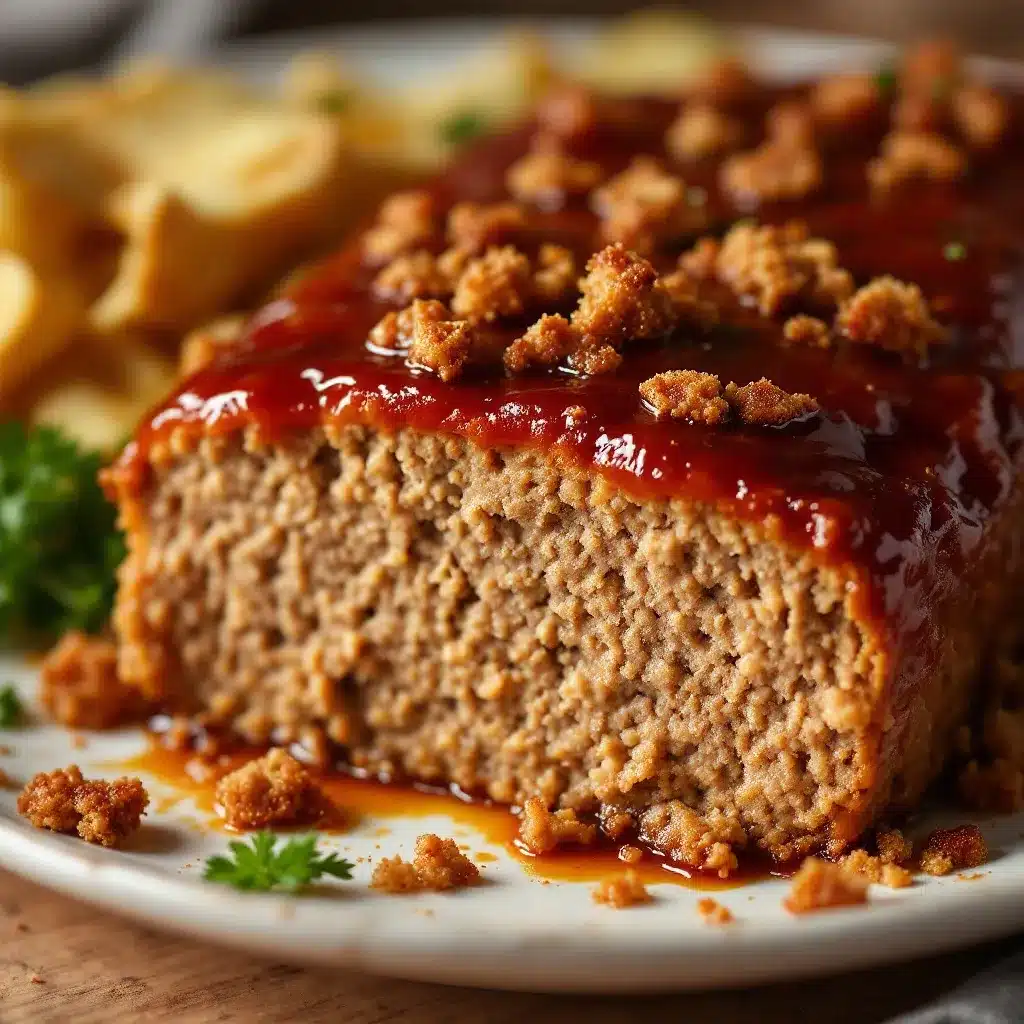
- Brown Sugar Glaze That Actually Works: This isn’t just ketchup with a sprinkle of sugar. It’s a thick, sticky, caramelized topping that forms a beautiful crust as it bakes.
- Simple Pantry Ingredients: Ground beef, breadcrumbs, eggs, ketchup, brown sugar—you probably have most of this stuff already.
- Great for Leftovers: Cold meatloaf sandwiches the next day are honestly one of the best parts of this recipe.
- Family-Approved: I’ve served this to picky eaters, meatloaf skeptics, and confirmed carnivores. Everyone goes back for seconds.
- No Fancy Equipment Needed: Just a mixing bowl, a loaf pan, and an oven. That’s it.
What makes this recipe different from all the others? It’s the balance. The meatloaf itself is seasoned just enough to be flavorful without overpowering the beef. The glaze adds sweetness and tang without making the whole thing taste like dessert. And the texture? It’s firm enough to slice cleanly but tender enough to fall apart on your fork. I’ve had people tell me they don’t even like meatloaf, and then they ask for the recipe after one bite. That’s the kind of confidence this dish brings to the table.
What Ingredients You Will Need
This recipe keeps things simple, but every ingredient plays a specific role in creating that perfect meatloaf texture and flavor. Here’s what you’ll need:
For the Meatloaf
- 2 pounds ground beef (80/20 blend) — The 20% fat content is crucial for moisture. Lean ground beef will give you a dry meatloaf every time.
- 1 cup plain breadcrumbs — I prefer unseasoned breadcrumbs so I can control the seasoning. Panko works too, but you’ll need to adjust the amount slightly.
- 1/2 cup whole milk — This soaks into the breadcrumbs and keeps the meatloaf tender. You can use 2% if that’s what you have.
- 2 large eggs, lightly beaten — Acts as a binder to hold everything together.
- 1 medium yellow onion, finely grated — Grating the onion (rather than chopping) releases more moisture and ensures the onion melts into the meatloaf without leaving chunky bits.
- 3 cloves garlic, minced — Fresh garlic is non-negotiable here. The jarred stuff just doesn’t hit the same.
- 2 tablespoons Worcestershire sauce — Adds depth and umami. I like Lea & Perrins for this.
- 1 teaspoon kosher salt — Don’t skimp. Salt brings out the flavor of the beef.
- 1/2 teaspoon black pepper — Freshly ground if possible.
- 1/2 teaspoon dried thyme — Adds a subtle earthy note that pairs beautifully with beef.
- 1/4 teaspoon smoked paprika — Optional, but it adds a nice warmth.
For the Brown Sugar Glaze
- 1/2 cup ketchup — Go with a brand you like the taste of. I usually reach for Heinz.
- 1/3 cup packed light brown sugar — This is what gives the glaze its signature sweetness and sticky texture.
- 1 tablespoon apple cider vinegar — Cuts through the sweetness and adds a little tang.
- 1 teaspoon Worcestershire sauce — For extra depth.
- 1/2 teaspoon garlic powder — Not fresh garlic here; the powder dissolves better into the glaze.
A few notes on ingredients: If you want to swap the ground beef for a mix of beef and pork (say, 1 pound each), go for it. That combo makes an even more flavorful and tender meatloaf. For a gluten-free version, use gluten-free breadcrumbs or crushed gluten-free crackers. And if you don’t have Worcestershire sauce, you can substitute soy sauce or coconut aminos in a pinch—though the flavor will be slightly different.
Equipment Needed
You don’t need a professional kitchen to make this recipe work. Here’s what I use:
- Large mixing bowl — Big enough to get your hands in there and mix everything thoroughly.
- 9×5-inch loaf pan — Standard size works perfectly. If you don’t have one, you can shape the meatloaf free-form on a baking sheet lined with parchment paper.
- Box grater or microplane — For grating the onion. A food processor with a grating disc works too if you’re feeling fancy.
- Small saucepan — For making the glaze. You can also whisk it together in a bowl if you’re in a hurry.
- Measuring cups and spoons — Precision matters, especially with the glaze.
- Meat thermometer — This is the one piece of equipment I’d strongly recommend. It takes the guesswork out of knowing when your meatloaf is done.
- Parchment paper or aluminum foil — For easy cleanup and preventing the glaze from sticking to the pan.
If you’re using a baking sheet instead of a loaf pan, shape the meatloaf into a free-form loaf and build up the sides slightly so the glaze doesn’t run off. I’ve done it both ways, and honestly, the free-form method gives you more caramelized edges, which I love.
Preparation Method
Let me walk you through this step by step. I’ve made this recipe dozens of times, and these are the exact steps I follow every time for consistent results.
- Preheat your oven to 350°F (175°C). Line your loaf pan with parchment paper, leaving some overhang on the sides. This makes lifting the meatloaf out later a breeze. If you’re using a baking sheet, line it with parchment or foil.
- Make the brown sugar glaze. In a small saucepan, combine 1/2 cup ketchup, 1/3 cup packed light brown sugar, 1 tablespoon apple cider vinegar, 1 teaspoon Worcestershire sauce, and 1/2 teaspoon garlic powder. Whisk everything together over medium heat. Bring it to a gentle simmer, then reduce the heat and let it cook for about 3-4 minutes, stirring occasionally. You’ll notice it thickens slightly and becomes glossy. Remove from heat and set aside. Taste it—it should be sweet, tangy, and a little savory.
- Soak the breadcrumbs. In your large mixing bowl, combine 1 cup plain breadcrumbs and 1/2 cup whole milk. Stir them together and let it sit for 5 minutes. The breadcrumbs will absorb the milk and turn into a soft paste. This is the foundation for a tender meatloaf, so don’t skip this step.
- Grate the onion. Take your medium yellow onion and grate it using the large holes of a box grater. You’ll get about 1/2 cup of grated onion with all its juices. Don’t drain the liquid—that moisture is gold for keeping the meatloaf tender.
- Combine the meatloaf ingredients. To the soaked breadcrumbs, add the grated onion (with its juices), 2 lightly beaten eggs, 2 tablespoons Worcestershire sauce, 3 minced garlic cloves, 1 teaspoon kosher salt, 1/2 teaspoon black pepper, 1/2 teaspoon dried thyme, and 1/4 teaspoon smoked paprika. Stir everything together until it forms a thick, fragrant paste.
- Add the ground beef. Add 2 pounds of ground beef to the bowl. Now, here’s the important part: use your hands to gently mix everything together. Don’t overwork the meat. Mix just until the breadcrumb mixture is evenly distributed throughout the beef. Overmixing will give you a dense, tough meatloaf. You want it combined but still somewhat loose.
- Shape the meatloaf. Transfer the meat mixture to your prepared loaf pan. Press it in gently, making sure there are no air pockets. If you’re using a baking sheet, shape it into a loaf about 8 inches long and 4 inches wide, with slightly raised sides. Don’t pack it too tightly.
- Apply the glaze. Spoon about half of the brown sugar glaze over the top of the meatloaf. Use the back of the spoon to spread it evenly, letting some drip down the sides. Reserve the remaining glaze for later.
- Bake the meatloaf. Place the loaf pan on a baking sheet (to catch any drips) and bake at 350°F for 45 minutes. After 45 minutes, carefully remove the meatloaf from the oven and spread the remaining glaze over the top. Return it to the oven and bake for another 15-20 minutes.
- Check for doneness. The meatloaf is done when the internal temperature reaches 160°F (71°C) at the center. Insert your meat thermometer into the thickest part of the loaf. If you don’t have a thermometer, cut into the center—the juices should run clear, and there should be no pinkness.
- Rest before slicing. This is crucial. Let the meatloaf rest in the pan for 10-15 minutes. The carryover cooking will bring it up to a safe temperature, and the resting time allows the juices to redistribute. If you slice it immediately, it will fall apart.
- Slice and serve. Using the parchment overhang, lift the meatloaf out of the pan. Transfer it to a cutting board and slice into 1-inch thick pieces. Spoon any remaining glaze from the pan over the slices.
One thing I learned the hard way: don’t skip the resting step. I once got impatient and sliced into a meatloaf right out of the oven, and it basically crumbled into a pile of delicious but unservable meat. Let it rest. Your patience will be rewarded.
Cooking Tips & Techniques
Over the years, I’ve made just about every mistake you can make with meatloaf. Here’s what I’ve learned so you don’t have to repeat my failures.
Don’t overmix the meat. This is the number one mistake people make. When you overwork ground beef, the proteins tighten up and squeeze out moisture, leaving you with a dense, dry loaf. Mix with your hands using a light touch, and stop as soon as everything is combined. It’s okay if it looks a little uneven.
Use a meat thermometer. I cannot stress this enough. Ovens vary, and the shape of your meatloaf affects cooking time. The only reliable way to know if your meatloaf is done is to check the internal temperature. 160°F is the magic number for ground beef. Pull it out at 155°F if you’re using a mix of beef and pork, since the carryover cooking will bring it up.
Let the glaze set properly. Applying the glaze in two stages gives you that beautiful, caramelized crust. The first layer bakes into the meatloaf, while the second layer stays glossy and sticky on top. If you add all the glaze at once, it can burn before the meatloaf is fully cooked.
Line your pan. Parchment paper with overhang makes cleanup effortless and prevents the glaze from sticking to the pan. I’ve ruined more than a few meatloaves trying to pry them out of unlined pans. Learn from my mistakes.
Grate, don’t chop, the onion. Chopped onion releases less moisture and leaves little crunchy bits in your meatloaf. Grating the onion gives you all that flavorful juice and ensures the onion practically dissolves into the meat. If you don’t have a grater, you can pulse the onion in a food processor until it’s almost a paste.
Let the milk soak into the breadcrumbs. This step is non-negotiable. The breadcrumbs act like little sponges, holding onto moisture that releases during cooking. If you skip the soaking step, the breadcrumbs will absorb moisture from the meat instead, leaving you with a drier loaf.
Make extra glaze. I always double the glaze recipe because I love having extra to spoon over the slices at the table. It also makes great leftovers for dipping.
Variations & Adaptations
One of the best things about this recipe is how adaptable it is. Here are some variations I’ve tried and loved:
Turkey Meatloaf: Swap the ground beef for ground turkey (93/7 blend works best). Add an extra tablespoon of olive oil and an additional egg to compensate for the lower fat content. The cooking time stays about the same, but check the temperature earlier—turkey can dry out quickly.
Cheesy Stuffed Meatloaf: Before shaping the loaf, flatten the meat mixture into a rectangle on a piece of parchment. Sprinkle 1 cup of shredded cheddar or mozzarella in the center, then use the parchment to roll it up like a log. Pinch the seams closed and bake as directed. The cheese melts into a gooey center that’s absolutely irresistible.
BBQ Meatloaf: Replace the ketchup in the glaze with your favorite BBQ sauce. I like using a smoky brown sugar BBQ sauce for this. It gives the meatloaf a completely different personality—more backyard cookout than Sunday dinner.
Italian-Style Meatloaf: Add 1/2 cup grated Parmesan cheese, 1/4 cup chopped fresh parsley, and 1 teaspoon dried oregano to the meat mixture. Swap the brown sugar glaze for a simple tomato sauce glaze (mix 1/2 cup tomato sauce with 1 tablespoon tomato paste and a pinch of sugar). Serve with pasta on the side.
Low-Carb/Keto Version: Replace the breadcrumbs with 1 cup of almond flour or crushed pork rinds. Use unsweetened almond milk instead of regular milk. For the glaze, use a sugar-free ketchup and a brown sugar substitute like Swerve. The texture will be slightly different, but it’s surprisingly good.
Spicy Chipotle Meatloaf: Add 1-2 minced chipotle peppers in adobo sauce to the meat mixture, along with an extra tablespoon of the adobo sauce. Mix 1 teaspoon of chipotle powder into the brown sugar glaze. This version has a smoky heat that builds slowly—perfect for spice lovers.
I’ve personally made the turkey version more times than I can count, and it’s become my go-to for healthier weeknight dinners. Just don’t skip the extra egg and oil—trust me on that one.
Serving & Storage Suggestions
This meatloaf is at its best served warm, straight from the oven, with a generous spoonful of extra glaze on top. But it’s also fantastic at room temperature, which makes it perfect for picnics and potlucks.
What to Serve With It: Classic sides are the way to go here. Mashed potatoes (or grilled corn salad for a lighter option), roasted green beans, buttered peas, or a simple side salad all work beautifully. If you’re feeling nostalgic, serve it with a side of fresh Waldorf salad for that retro dinner party vibe. And don’t forget the bread—crusty sourdough or soft dinner rolls are perfect for sopping up any extra glaze.
Storage: Leftover meatloaf keeps beautifully in the refrigerator for up to 4 days. Wrap it tightly in plastic wrap or aluminum foil, or store slices in an airtight container. The flavors actually meld and deepen overnight, so leftovers might taste even better than the first serving.
Freezing: You can freeze the whole cooked meatloaf or individual slices. Wrap it tightly in plastic wrap, then a layer of foil, and freeze for up to 3 months. To thaw, transfer it to the refrigerator overnight. Reheat in a 350°F oven for about 15-20 minutes, or until warmed through. You can also freeze the uncooked meatloaf before glazing—just wrap it well and thaw in the fridge before baking.
Reheating: The best way to reheat meatloaf is in the oven. Place slices on a baking sheet, cover loosely with foil, and warm at 325°F for 10-15 minutes. The microwave works in a pinch, but it can make the edges tough. If you’re using the microwave, cover the slices with a damp paper towel to retain moisture.
Cold Meatloaf Sandwiches: This might be my favorite way to enjoy leftovers. Take two slices of white bread, spread a little mayonnaise on each, add a cold slice of meatloaf, some lettuce, and a thin slice of tomato. The combination of cold, savory meatloaf with the sweet tang of the glaze is absolutely perfect. I’ve been known to make these for breakfast the next day.
Nutritional Information & Benefits
Here’s the estimated nutritional breakdown for one serving (based on 8 servings per loaf):
- Calories: Approximately 385
- Protein: 28g
- Fat: 22g
- Carbohydrates: 18g
- Fiber: 1g
- Sugar: 12g
- Sodium: 680mg
This recipe is a good source of high-quality protein, iron, and B vitamins from the beef. The onions and garlic provide antioxidants and anti-inflammatory compounds. While it’s not exactly health food (that glaze is definitely a treat), it’s a satisfying, balanced meal when paired with vegetables and a sensible portion size.
For those watching their sodium, you can reduce the salt in the meat mixture to 1/2 teaspoon and use low-sodium ketchup in the glaze. The Worcestershire sauce also contains sodium, so keep that in mind if you’re limiting salt intake.
This recipe contains gluten (from the breadcrumbs), dairy (from the milk), and eggs. For allergen-friendly versions, check the variations section above.
Conclusion
This Best Classic Meatloaf with Brown Sugar Glaze has become a staple in my kitchen for good reason. It’s reliable, forgiving, and always delivers that warm, comforting feeling that only a well-made meatloaf can provide. Whether you’re cooking for a crowd or just meal-prepping for the week, this recipe holds up beautifully.
I love that this recipe doesn’t try to be anything it’s not. It’s not fancy, it’s not trendy, and it doesn’t require any special skills. It’s just good, honest food that tastes like someone put care into making it. And that brown sugar glaze? It’s the kind of finishing touch that makes people think you spent hours in the kitchen when really, it came together in minutes.
I’d love to hear how this recipe turns out for you. Did you try any of the variations? Did you come up with your own twist? Drop a comment below and let me know—I read every single one, and I’m always looking for new ideas to try in my own kitchen. If you’re looking for another classic comfort dish to round out your meal, you might enjoy this classic chicken pot pie or these fluffy buttermilk pancakes for breakfast the next morning.
Happy cooking, friends. And remember—let that meatloaf rest before you slice it. Your future self will thank you.
Frequently Asked Questions
Can I make this meatloaf ahead of time?
Absolutely. You can assemble the meatloaf (without the glaze) up to 24 hours in advance and keep it covered in the refrigerator. When you’re ready to bake, add the glaze and follow the baking instructions. You may need to add 10-15 minutes to the cooking time since you’re starting from cold.
Why did my meatloaf fall apart when I sliced it?
This usually happens for one of two reasons: either you didn’t let it rest long enough after baking, or the mixture was too wet. Make sure you let the meatloaf rest for at least 10-15 minutes before slicing. If it’s still falling apart, next time add an extra egg or reduce the milk slightly to help the mixture bind better.
Can I use ground turkey instead of beef?
Yes, but you’ll need to make a few adjustments. Use 93/7 ground turkey (not 99% lean), add an extra tablespoon of olive oil, and include an additional egg to compensate for the lower fat content. The cooking time stays about the same, but start checking the temperature at the 45-minute mark to avoid drying it out.
How do I know when my meatloaf is fully cooked?
The most reliable way is to use a meat thermometer. Insert it into the center of the meatloaf—it should read 160°F (71°C) for ground beef. If you don’t have a thermometer, cut into the center with a knife. The juices should run clear, and there should be no pinkness in the meat.
Can I freeze this meatloaf?
Yes, and it freezes beautifully. You can freeze the whole cooked meatloaf or individual slices. Wrap it tightly in plastic wrap, then a layer of aluminum foil, and freeze for up to 3 months. Thaw overnight in the refrigerator and reheat in a 350°F oven until warmed through. You can also freeze the uncooked meatloaf before glazing—just thaw in the fridge before baking.
Pin This Recipe!
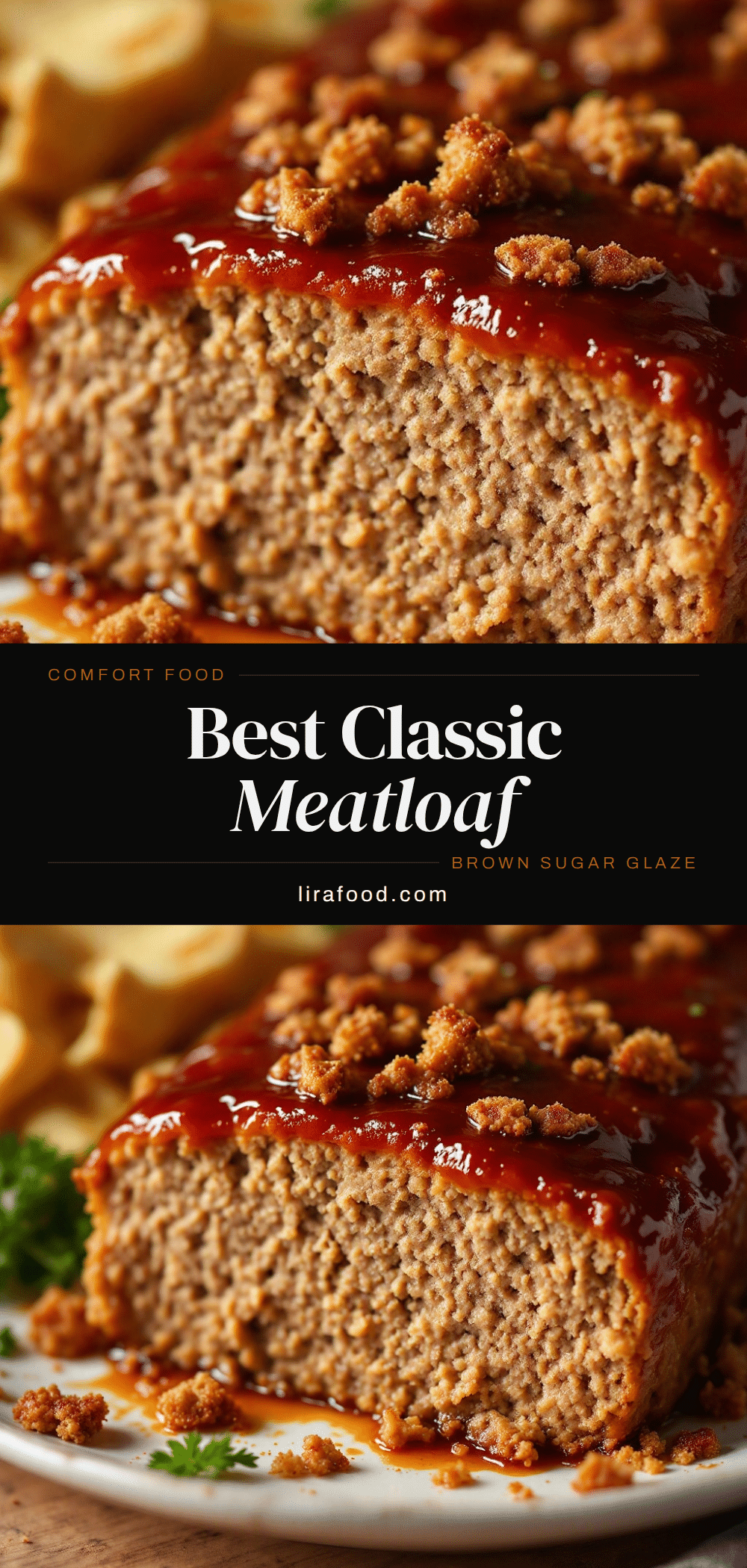
Best Classic Meatloaf with Brown Sugar Glaze Recipe
This classic meatloaf is tender, juicy, and topped with a sweet, sticky brown sugar glaze that caramelizes beautifully. It’s a comforting, family-friendly dish that’s perfect for Sunday dinners or weeknight meals.
- Prep Time: 15 minutes
- Cook Time: 1 hour
- Total Time: 1 hour 15 minutes
- Yield: 8 servings 1x
- Category: Main Course
- Cuisine: American
Ingredients
- 2 pounds ground beef (80/20 blend)
- 1 cup plain breadcrumbs
- 1/2 cup whole milk
- 2 large eggs, lightly beaten
- 1 medium yellow onion, finely grated
- 3 cloves garlic, minced
- 2 tablespoons Worcestershire sauce
- 1 teaspoon kosher salt
- 1/2 teaspoon black pepper
- 1/2 teaspoon dried thyme
- 1/4 teaspoon smoked paprika (optional)
- 1/2 cup ketchup
- 1/3 cup packed light brown sugar
- 1 tablespoon apple cider vinegar
- 1 teaspoon Worcestershire sauce
- 1/2 teaspoon garlic powder
Instructions
- Preheat your oven to 350°F (175°C). Line your loaf pan with parchment paper, leaving some overhang on the sides.
- Make the brown sugar glaze: In a small saucepan, combine 1/2 cup ketchup, 1/3 cup packed light brown sugar, 1 tablespoon apple cider vinegar, 1 teaspoon Worcestershire sauce, and 1/2 teaspoon garlic powder. Whisk over medium heat until it comes to a gentle simmer. Cook for 3-4 minutes, stirring occasionally, until thickened and glossy. Remove from heat and set aside.
- Soak the breadcrumbs: In a large mixing bowl, combine 1 cup plain breadcrumbs and 1/2 cup whole milk. Stir and let sit for 5 minutes until the breadcrumbs absorb the milk and form a soft paste.
- Grate the onion using the large holes of a box grater. Do not drain the liquid.
- To the soaked breadcrumbs, add the grated onion (with juices), 2 lightly beaten eggs, 2 tablespoons Worcestershire sauce, 3 minced garlic cloves, 1 teaspoon kosher salt, 1/2 teaspoon black pepper, 1/2 teaspoon dried thyme, and 1/4 teaspoon smoked paprika. Stir until a thick paste forms.
- Add 2 pounds of ground beef to the bowl. Use your hands to gently mix until the breadcrumb mixture is evenly distributed. Do not overmix.
- Transfer the meat mixture to the prepared loaf pan. Press gently to remove air pockets, but do not pack tightly.
- Spoon about half of the brown sugar glaze over the top of the meatloaf and spread evenly, letting some drip down the sides. Reserve the remaining glaze.
- Place the loaf pan on a baking sheet and bake at 350°F for 45 minutes.
- After 45 minutes, carefully remove the meatloaf from the oven and spread the remaining glaze over the top. Return to the oven and bake for another 15-20 minutes.
- Check for doneness: The internal temperature should reach 160°F (71°C) at the center. If you don’t have a thermometer, cut into the center—juices should run clear and there should be no pinkness.
- Let the meatloaf rest in the pan for 10-15 minutes before slicing. This allows the juices to redistribute.
- Using the parchment overhang, lift the meatloaf out of the pan. Transfer to a cutting board and slice into 1-inch thick pieces. Spoon any remaining glaze from the pan over the slices.
Notes
Don’t overmix the meat; use a light touch. Let the meatloaf rest for 10-15 minutes before slicing. For a gluten-free version, use gluten-free breadcrumbs or crushed gluten-free crackers. For a turkey version, use 93/7 ground turkey, add an extra tablespoon of olive oil and an additional egg.
Nutrition
- Serving Size: 1 slice (1/8 of loaf
- Calories: 385
- Sugar: 12
- Sodium: 680
- Fat: 22
- Saturated Fat: 8
- Carbohydrates: 18
- Fiber: 1
- Protein: 28
Keywords: meatloaf, brown sugar glaze, classic meatloaf, comfort food, ground beef, easy dinner