Love this? Save it for later!
Share the inspiration with your friends
My seven-year-old asked for pan de Muerto three days in a row without being prompted, and I honestly didn’t know what to do with that kind of enthusiasm.
It wasn’t just about the sugar or the soft bread texture, though those definitely helped. It was the ritual. She wanted the little bone-shaped pieces. She wanted the orange scent that fills the entire kitchen. She wanted to feel connected to something that felt both ancient and right in our modern home.
I had tried making it before, but my first attempt was dense. It tasted like sweet bread, sure, but it lacked that airy, cloud-like quality that makes the real thing special. I was worried I’d ruined the tradition. But watching her face light up every time I pulled a fresh loaf from the oven changed everything.
Now, I know exactly how to get it right. The key is patience with the dough and respecting the orange blossom water. It’s not complicated, but it does ask for your full attention. Once you smell that citrus and yeast mingling, you’ll understand why this bread has been around for centuries.
This isn’t just a recipe for Day of the Dead. It’s a way to bring warmth to your table, even on ordinary Tuesdays. And honestly, once you taste it, you’ll see why my daughter is hooked.
Why You’ll Love This Classic Pan de Muerto with Orange Blossom Glaze
Making pan de Muerto feels like stepping into a warm, sunlit kitchen in Oaxaca, even if you’re just in your suburban home. This recipe isn’t just another sweet bread; it’s a carefully balanced dance of yeast, butter, and citrus that results in a loaf so tender it practically melts on your tongue.
- Quick & Easy for a Yeast Bread: While yeast breads usually demand hours of rising, this recipe is streamlined. With a straightforward mix-and-rest method, you can have a beautiful loaf ready for your altar or breakfast table without spending your entire weekend in the kitchen.
- Simple Ingredients: You don’t need a specialty store to find these items. Flour, sugar, butter, eggs, milk, and orange blossom water are likely already in your pantry or just a quick trip away. It’s wholesome, honest baking.
- Perfect for Celebrations and Memorials: Whether you’re hosting a ofrenda for loved ones or just enjoying a cozy Sunday morning, this bread fits perfectly. It pairs beautifully with coffee, hot chocolate, or atole.
- Crowd-Pleaser: Kids love the fun shapes, and adults appreciate the subtle complexity of the orange and anise notes. It bridges generations effortlessly.
- Unbelievably Delicious: The combination of the soft, sweet dough with the crunchy, sugar-coated “bones” creates a texture contrast that is next-level comfort food. It’s savory-sweet in the best way possible.
What makes this version different is the addition of the orange blossom glaze. Many traditional recipes skip the glaze, but a light brush of warm syrup infused with orange blossom water adds a glossy finish and an aromatic punch that elevates the entire loaf. It’s my best version because it honors tradition while adding a touch of modern elegance that keeps people coming back for seconds.
This recipe is the kind that makes you pause. It’s comfort food reimagined—richer than a plain roll, but lighter than a cake. It’s perfect for impressing guests without stress, or turning a simple meal into something memorable and meaningful.
What Ingredients You Will Need
This recipe uses simple, wholesome ingredients to deliver bold flavor and satisfying texture without the fuss. The beauty of pan de Muerto lies in its simplicity, relying on high-quality staples to create a complex, aromatic profile. You don’t need fancy equipment or hard-to-find spices, just a few key items that work together harmoniously.
- For the Dough:
- All-purpose flour: 4 to 4.5 cups (I recommend King Arthur for its consistent protein content, which helps the dough rise properly without becoming tough).
- Active dry yeast: 2 packets (or one 7g packet). Make sure it’s fresh; old yeast is the enemy of fluffy bread.
- Whole milk: 1 cup, warmed to about 110°F (warm, not hot, or you’ll kill the yeast).
- Unsalted butter: ½ cup, softened to room temperature. This adds richness and tenderness.
- Granulated sugar: ¾ cup. This feeds the yeast and adds sweetness.
- Eggs: 2 large eggs, plus 1 extra yolk for richness. Room temperature eggs incorporate better into the dough.
- Salt: 1 teaspoon. Essential for balancing the sweetness.
- Orange blossom water: 1 tablespoon. This is the secret ingredient that gives the bread its authentic floral note. Do not skip this.
- Anise seeds: 1 teaspoon, crushed slightly. Adds a subtle licorice hint that complements the orange.
- For the Topping and Bones:
- Unsalted butter: ¼ cup, melted. Used for brushing before adding sugar.
- Granulated sugar: ½ cup. For the crunchy exterior.
- Extra flour: For dusting your work surface.
- For the Orange Blossom Glaze:
- Confectioners’ sugar: ½ cup, sifted.
- Milk: 1-2 tablespoons, to adjust consistency.
- Orange blossom water: 1 teaspoon. For extra aroma.
If you can’t find orange blossom water, a high-quality orange extract can work in a pinch, but the flavor profile will be slightly different. For a dairy-free option, you can swap the milk and butter with coconut milk and coconut oil, though the texture will be denser. Look for firm, small-curd cottage cheese? No, that’s for another recipe! For this bread, just ensure your butter is truly softened, not melted, for the best crumb structure.
Do I Need Specialized Equipment?
You don’t need a stand mixer, but it helps. A wooden spoon and your hands are all you really need. If you have a dough hook, use it for the first few minutes of mixing to save your arms. A baking sheet lined with parchment paper is essential. Rolling pins are handy for shaping the bones, but you can also use your hands. Just keep it simple and budget-friendly.
Preparation Method
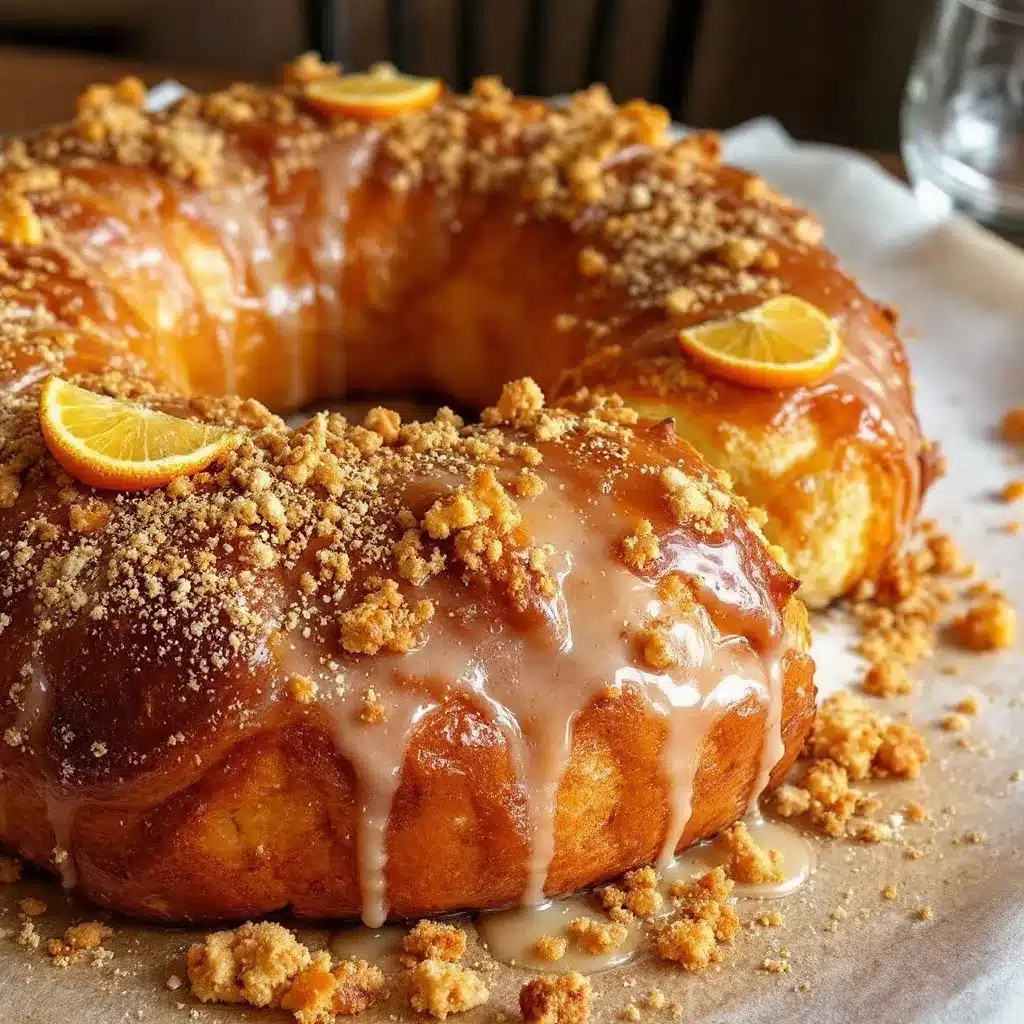
Let’s break down the process into manageable steps. Don’t be intimidated by the yeast; it’s just living organisms that need food and warmth to do their job.
- Activate the Yeast (5 minutes): In a small bowl, combine the warm milk (110°F), 1 tablespoon of sugar, and the yeast. Stir gently and let it sit for 5-10 minutes until it becomes foamy. If it doesn’t foam, your yeast is dead. Start over with fresh yeast. This step ensures your bread will rise.
- Mix the Wet Ingredients (2 minutes): In a large mixing bowl, beat the 2 eggs and the egg yolk with the remaining sugar. Add the softened butter, orange blossom water, and crushed anise seeds. Whisk until well combined. The mixture should look creamy and fragrant.
- Combine Wet and Dry (3 minutes): Pour the activated yeast mixture into the egg mixture. Add the salt. Gradually add the flour, one cup at a time, mixing with a wooden spoon or dough hook. Start with 3 cups. The dough will be sticky. Add the remaining flour slowly until the dough pulls away from the sides of the bowl but is still slightly tacky to the touch. Do not add all the flour at once; humidity affects absorption.
- Knead the Dough (10 minutes): Turn the dough out onto a lightly floured surface. Knead by pushing the dough away from you with the heel of your hand, folding it back over, and turning it. Continue for 8-10 minutes until the dough is smooth and elastic. If it sticks too much, add a sprinkle of flour. If it’s too dry, wet your hands. This develops the gluten, which gives the bread its structure.
- First Rise (1-2 hours): Place the dough in a lightly oiled bowl, turning once to coat. Cover with plastic wrap or a damp towel. Let it rise in a warm, draft-free spot for 1 to 1.5 hours, or until doubled in size. A warm oven (turned off) with a bowl of hot water inside works great.
- Shape the Loaf (15 minutes): Punch down the risen dough to release air. Divide it into three parts: two for the main round loaves and one for the “bones” and cross pieces. Roll the two main parts into smooth balls. For the bones, roll the third part into long, thin snakes. Cut them into small segments for the cross and longer pieces for the bones. Arrange the bones and cross on top of the round loaves, pressing gently to adhere. Place them on a parchment-lined baking sheet.
- Second Rise (30-45 minutes): Cover the shaped loaves loosely and let them rise again until puffy. This is crucial for a light texture. Preheat your oven to 350°F (175°C) during the last 15 minutes of rising.
- Bake (25-30 minutes): Brush the loaves with melted butter. Roll them in granulated sugar, coating all sides. Bake for 25-30 minutes, or until golden brown. If they brown too quickly, cover with foil. The bread is done when it sounds hollow when tapped on the bottom.
- Glaze (5 minutes): While the bread bakes, mix the confectioners’ sugar, milk, and orange blossom water to make a thin glaze. Once the bread is out of the oven, brush the glaze over the warm loaves. This adds shine and extra flavor.
- Cool (30 minutes): Let the bread cool on a wire rack before slicing. This allows the crumb to set. Cutting into hot bread can make it gummy.
Troubleshooting Tips
If your bread is dense, check your yeast freshness or ensure the milk wasn’t too hot. If it’s too dry, you added too much flour. Remember, dough consistency varies by humidity. Trust your hands more than the measurements.
Cooking Tips & Techniques
Getting the texture right is all about handling the dough gently. Over-kneading can make the bread tough, while under-kneading results in a dense loaf. Stop when the dough is smooth and springs back when poked.
Another common mistake is rushing the rises. Yeast needs time. If your kitchen is cold, find a warm spot. I often put my dough in the oven with the light on. The slight warmth speeds up the process without cooking the dough.
When shaping the bones, keep them uniform in size so they bake evenly. If they are too thick, they might remain doughy in the center. Thin is better. Also, don’t skip the second rise. It’s the difference between a dense brick and a fluffy cloud.
For a shinier crust, brush with egg wash before baking, then add the sugar. I prefer the butter-and-sugar method for a more rustic, crunchy finish. Experiment to see what you like best.
Variations & Adaptations
While the classic version is beloved, there are fun ways to adapt this recipe.
- Vegan Pan de Muerto: Swap the milk for oat milk and the butter for vegan butter. Use a flax egg (1 tbsp ground flax + 3 tbsp water) instead of the egg yolk. The flavor will be slightly different but still delicious.
- Gluten-Free Option: Use a 1:1 gluten-free flour blend that includes xanthan gum. Note that the texture will be more cake-like and less chewy.
- Spiced Variation: Add a pinch of cinnamon or nutmeg to the dough for a warmer, spiced flavor profile. This pairs well with the orange.
- Chocolate Center: Stuff the center of the round loaves with a piece of dark chocolate before baking. It creates a molten center when warmed.
I once tried adding lavender to the dough, and while interesting, it clashed with the orange. Stick to citrus and anise for the most authentic taste.
Serving & Storage Suggestions
Serve pan de Muerto warm or at room temperature. It’s perfect with a cup of strong coffee or a glass of cold milk. For a special touch, serve it with a side of Mexican hot chocolate.
Store leftovers in an airtight container at room temperature for up to 3 days. For longer storage, freeze the cooled bread in a freezer-safe bag for up to 2 months. Thaw at room temperature or warm in the oven for 10 minutes.
The flavors develop over time, becoming softer and more aromatic as the bread rests. It’s actually better the next day!
Nutritional Information & Benefits
One slice of pan de Muerto contains approximately 250 calories, with 4g of protein, 35g of carbohydrates, and 10g of fat. It is a source of energy from the carbohydrates and healthy fats from the butter. While it is a treat, it provides comfort and cultural connection, which is good for the soul. It is not gluten-free or vegan unless adapted. Enjoy as part of a balanced diet.
Conclusion
Making classic pan de Muerto with orange blossom glaze is more than just baking; it’s an act of love and memory. The process is meditative, and the result is a bread that brings people together. Whether you are honoring traditions or just creating new ones, this recipe is worth trying. Customize it with your favorite spices or fillings. Share it with friends and family. I’d love to hear how it turns out in your kitchen. Leave a comment below with your tips or questions. Happy baking!
Frequently Asked Questions
Can I make pan de Muerto ahead of time?
Yes! You can shape the dough and let it rise in the fridge overnight. Bake it the next morning. This can actually improve the flavor.
What if I don’t have orange blossom water?
You can use orange zest and a little orange juice, but the floral aroma will be less intense. It’s still good, but not traditional.
Why did my bread not rise?
Check your yeast. If it wasn’t foamy in step one, it was likely dead. Also, ensure your milk wasn’t too hot.
Can I freeze the baked bread?
Absolutely. Wrap it tightly in plastic and foil. Freeze for up to 2 months. Reheat in the oven to restore freshness.
Is pan de Muerto sweet?
It is moderately sweet, like a brioche. The sugar topping adds crunch and extra sweetness. It’s not cloying, just right.
Pin This Recipe!
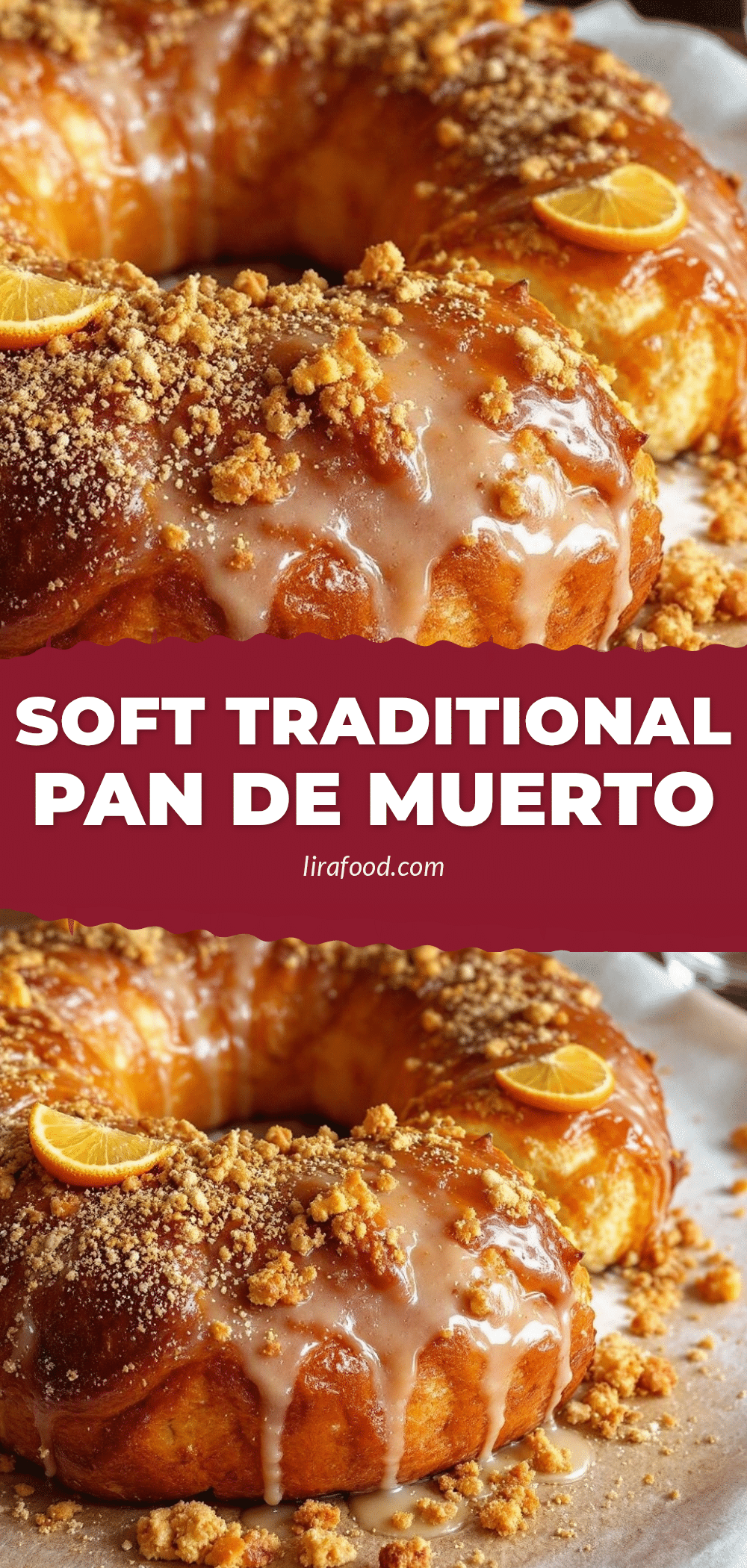
Classic Pan De Muerto: Easy 5-Step Traditional Recipe
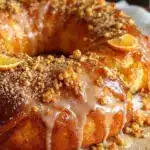
A traditional Mexican sweet bread for Day of the Dead, featuring a soft, citrus-infused dough with bone-shaped decorations and a glossy orange blossom glaze.
- Prep Time: 45 minutes
- Cook Time: 30 minutes
- Total Time: 3 hours 15 minutes
- Yield: 2 loaves 1x
- Category: Dessert
- Cuisine: Mexican
Ingredients
- 4 to 4.5 cups all-purpose flour
- 2 packets active dry yeast (or one 7g packet)
- 1 cup whole milk, warmed to 110°F
- 1 tablespoon granulated sugar (for yeast)
- 2 large eggs, room temperature
- 1 extra egg yolk
- 3/4 cup granulated sugar
- 1/2 cup unsalted butter, softened
- 1 teaspoon salt
- 1 tablespoon orange blossom water
- 1 teaspoon anise seeds, crushed
- 1/4 cup unsalted butter, melted (for topping)
- 1/2 cup granulated sugar (for topping)
- Extra flour for dusting
- 1/2 cup confectioners’ sugar (for glaze)
- 1–2 tablespoons milk (for glaze)
- 1 teaspoon orange blossom water (for glaze)
Instructions
- Activate the yeast: Combine warm milk (110°F), 1 tablespoon sugar, and yeast in a small bowl. Let sit for 5-10 minutes until foamy.
- Mix wet ingredients: In a large bowl, beat eggs and yolk with remaining sugar. Add softened butter, orange blossom water, and crushed anise seeds. Whisk until creamy.
- Combine wet and dry: Pour activated yeast into egg mixture. Add salt. Gradually add flour (starting with 3 cups), mixing until dough pulls away from sides but remains slightly tacky.
- Knead dough: Turn dough onto a floured surface. Knead for 8-10 minutes until smooth and elastic.
- First rise: Place dough in an oiled bowl, cover, and let rise in a warm spot for 1 to 1.5 hours until doubled in size.
- Shape the loaf: Punch down dough. Divide into three parts. Roll two parts into smooth balls. Roll the third part into thin snakes for bones and cross pieces. Arrange decorations on the round loaves on a parchment-lined baking sheet.
- Second rise: Cover shaped loaves and let rise for 30-45 minutes until puffy. Preheat oven to 350°F (175°C) during the last 15 minutes.
- Bake: Brush loaves with melted butter and roll in granulated sugar to coat. Bake for 25-30 minutes until golden brown and hollow when tapped.
- Glaze: Mix confectioners’ sugar, milk, and orange blossom water. Brush glaze over warm bread immediately after removing from oven.
- Cool: Let bread cool on a wire rack for 30 minutes before slicing.
Notes
Ensure yeast is fresh and milk is not too hot to avoid killing the yeast. Dough consistency varies by humidity, so trust your hands over exact measurements. For a shinier crust, an egg wash can be used before adding sugar, though butter and sugar provide a rustic finish. The bread is best the next day as flavors develop.
Nutrition
- Serving Size: 1 slice
- Calories: 250
- Sugar: 18
- Sodium: 300
- Fat: 10
- Saturated Fat: 6
- Carbohydrates: 35
- Fiber: 1
- Protein: 4
Keywords: pan de muerto, day of the dead, mexican bread, orange blossom water, traditional recipe, sweet bread, holiday baking