Love this? Save it for later!
Share the inspiration with your friends
The first Sunday of November, and the only thing I wanted was this pasta. Not the complicated kind, not the one with a dozen steps and a sink full of dishes. I wanted the one where you stand at the stove, the window slightly cracked, and the air smells like browned butter and sage. It was one of those late afternoons where the light slants low and gold across the kitchen floor, and the whole house feels like it’s holding its breath before winter. I had a single delicata squash sitting on the counter, a bunch of sage from the farmers market that was starting to wilt, and a half-opened box of rigatoni. That’s it. That’s where this whole thing started.
I remember slicing the squash open and noticing how the seeds came out so easily—no peeling required, which honestly felt like a gift from the cooking gods. The skin on delicata is thin and tender; it roasts up soft enough to eat, so you don’t have to fight with a vegetable peeler. I tossed the crescents with olive oil and salt, spread them on a sheet pan, and slid them into the oven. While they roasted, I melted butter in a skillet and watched it foam, then turn golden, then deepen into that nutty, toasty color that smells like fall in a pan. I threw in the sage leaves, and they crackled and crisped up in seconds. It was the kind of quiet kitchen moment that feels almost like a secret.
This recipe wasn’t planned. It came together out of what I had and what I was craving—something warm, something not too heavy, something that tasted like the season. And honestly, that’s the kind of cooking I trust the most. The pasta came out tangled in that brown butter, with soft roasted squash tucked into every bite and crispy sage leaves crumbling on top. I ate it right out of the bowl, standing at the counter, and I knew I’d be making it again before the week was over. Some recipes you keep. This one stuck.
Why You’ll Love This Recipe
Let me tell you why this pasta is going to become your go-to fall dinner. I’ve tested this recipe at least five times now, tweaking the amount of sage, adjusting the pasta water ratio, and even trying different squash varieties. The delicata version won every single time. It’s one of those rare dishes that feels fancy enough for company but comes together with almost no effort on a Tuesday night.
- Quick & Easy : From start to table in about 30 minutes. The squash roasts while the pasta boils, and the sauce comes together in the time it takes to drain the noodles.
- Simple Ingredients : You need squash, butter, sage, pasta, parmesan, and pantry staples. No cream, no heavy sauces, no exotic grocery store trips.
- Perfect for Fall Evenings : This is the kind of meal you want when the air gets crisp and you’re craving something that tastes like the season without weighing you down.
- Crowd-Pleaser : I’ve served this to picky eaters, vegetarians, and die-hard meat lovers. Everyone goes back for seconds. The brown butter does that.
- Unbelievably Delicious : The combination of sweet roasted squash, nutty browned butter, and crispy sage is honestly next-level. It’s comfort food that doesn’t leave you feeling sluggish.
What makes this recipe different from all the other squash pastas out there? It’s the technique. Most recipes tell you to boil the squash or cook it in the sauce, which turns it mushy. Here, we roast it first—high heat, no fuss—so the edges caramelize and the centers stay tender. Then we finish everything in the brown butter pan, letting the pasta soak up all that flavor. It’s a small change, but it makes a huge difference. This isn’t just another version of squash pasta. It’s the one that makes you close your eyes after the first bite.
What Ingredients You Will Need
This recipe uses simple, wholesome ingredients that come together to create something truly special. You don’t need a long list of specialty items—just good, honest ingredients that let the flavors shine.
- 1 medium delicata squash (about 1 pound / 450g) — Look for squash that feels heavy for its size with firm, unblemished skin. You don’t need to peel it, which is the best part. The skin gets tender and slightly chewy when roasted.
- 3 tablespoons olive oil (45ml) — Use a good quality extra virgin olive oil for roasting. It adds a subtle fruitiness that balances the richness of the butter.
- ½ teaspoon sea salt (3g) — Plus more for the pasta water. I prefer flaky sea salt here because it distributes evenly and doesn’t clump.
- ¼ teaspoon black pepper (freshly ground, about 1g)
- 12 ounces dried pasta (340g) — Rigatoni, pappardelle, or fettuccine all work beautifully. I love rigatoni because the ridges catch the brown butter sauce. Avoid thin spaghetti—it doesn’t hold the sauce well.
- 4 tablespoons unsalted butter (56g) — European-style butter (like Plugrà or Kerrygold) has a higher fat content and browns more evenly. It’s worth the splurge here.
- 12-15 fresh sage leaves — Look for leaves that are vibrant green with no brown spots. Fresh is non-negotiable for this recipe; dried sage will burn and taste dusty.
- ½ cup grated Parmesan cheese (50g) — Grate it yourself from a block. Pre-shredded cheese has anti-caking agents that prevent it from melting smoothly into the sauce.
- ¼ cup reserved pasta water (60ml) — This is your secret weapon. The starchy water helps the sauce cling to the pasta and gives it that silky, restaurant-quality texture.
Ingredient Tips from My Kitchen: If you can’t find delicata squash, butternut squash works as a substitute—just peel it first. For a dairy-free version, use a high-quality vegan butter (I like Miyoko’s) and nutritional yeast in place of Parmesan. And if you’re out of fresh sage, try fresh thyme or rosemary instead. The flavor profile shifts, but it’s still delicious.
Equipment Needed
You don’t need a professional kitchen to make this recipe. Here’s what you’ll need:
- Large baking sheet (half-sheet pan, about 18×13 inches / 45x33cm) — Rimmed, so the squash doesn’t slide off. Line it with parchment paper for easier cleanup.
- Large pot (5-6 quart / 5-6 liter capacity) — For boiling the pasta. Make sure it’s big enough so the noodles have room to move.
- Large skillet or sauté pan (12-inch / 30cm) — A wide pan gives the brown butter room to foam without spilling. Stainless steel or non-stick both work.
- Colander — For draining the pasta. Don’t rinse it—you want the starch to help the sauce stick.
- Chef’s knife and cutting board — A sharp knife makes slicing the squash safe and easy.
- Wooden spoon or silicone spatula — For stirring the butter as it browns. Wooden spoons are great because they don’t scratch your pans.
- Microplane or box grater — For grating the Parmesan. A microplane gives you that fluffy, melt-in-the-sauce texture.
Budget-Friendly Alternatives: Don’t own a microplane? Use the small holes of a box grater. No large skillet? Use a wide saucepan instead—just watch the butter more carefully so it doesn’t burn in a deeper pan.
Preparation Method
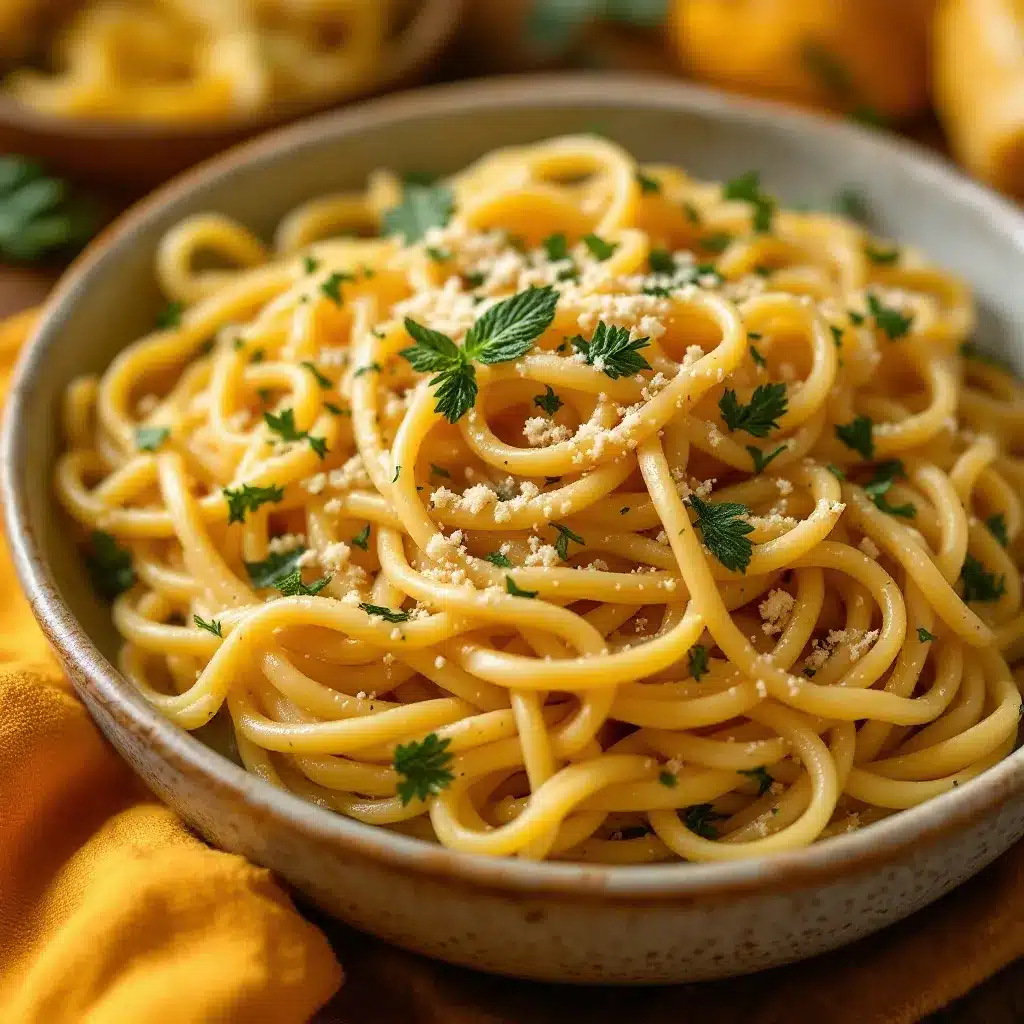
Let’s make this pasta. I’ll walk you through every step so you get perfect results the first time.
Step 1: Roast the Squash (15 minutes active, 20 minutes roasting)
Preheat your oven to 425°F (220°C). While it heats, wash the delicata squash thoroughly. Cut off both ends, then slice the squash in half lengthwise. Use a spoon to scoop out the seeds and stringy bits—save the seeds if you want to roast them later as a snack. Place each half cut-side down and slice into ½-inch (1.25cm) half-moons. You should get about 20-24 pieces.
Toss the squash crescents with 2 tablespoons of olive oil, ¼ teaspoon salt, and the black pepper. Spread them in a single layer on your baking sheet. Don’t overcrowd—if they’re touching too much, they’ll steam instead of caramelize. Roast for 18-22 minutes, flipping halfway through. They’re done when the edges are golden brown and the centers are fork-tender. The skins will be slightly wrinkled but soft. Set aside.
Step 2: Cook the Pasta (10 minutes)
While the squash roasts, bring your large pot of water to a rolling boil. Add 1 tablespoon of salt (about 18g)—the water should taste like the sea. Add your pasta and cook according to package directions until al dente. For rigatoni, that’s usually 9-11 minutes. Reserve 1 cup (240ml) of the starchy pasta water before draining. Drain the pasta in a colander—do not rinse it. Let it sit while you make the sauce.
Step 3: Brown the Butter and Sage (5 minutes)
In your large skillet, melt the 4 tablespoons of butter over medium heat. Swirl the pan occasionally. After about 2 minutes, the butter will start to foam. This is normal—don’t walk away. When the foam subsides, you’ll see golden brown specks forming at the bottom of the pan. The butter will smell nutty and toasty. Immediately add the sage leaves—they’ll sizzle and crisp up in about 30 seconds. Remove the pan from the heat. Use tongs to transfer the crispy sage leaves to a paper towel-lined plate. They’ll continue to crisp as they cool.
Step 4: Combine Everything (3 minutes)
Return the skillet with the brown butter to low heat. Add the roasted squash crescents and toss gently to coat. Add the drained pasta and ¼ cup of the reserved pasta water. Toss everything together with tongs or a wooden spoon. The water will emulsify with the butter, creating a silky sauce that clings to every piece of pasta. If it looks too dry, add another tablespoon of pasta water at a time until it reaches the consistency you like.
Step 5: Finish and Serve (2 minutes)
Remove the skillet from the heat. Sprinkle the grated Parmesan over the pasta and toss until melted and combined. Taste and adjust salt if needed. Divide the pasta into warm bowls. Crumble the crispy sage leaves over the top. Add an extra grating of Parmesan and a crack of black pepper if you’re feeling fancy. Serve immediately—this pasta waits for no one.
Pro Tip from My First Attempt: The first time I made this, I added all the pasta water at once and ended up with soupy pasta. Start with ¼ cup and add more as needed. You can always add, but you can’t take away.
Cooking Tips & Techniques
I’ve made this recipe enough times to know where things can go wrong. Here’s what I’ve learned so you don’t have to make the same mistakes.
Don’t Rush the Brown Butter. This is the heart of the dish. If you pull it off the heat too early, it won’t have that deep, nutty flavor. If you wait too long, it burns and turns bitter. Watch for the color change—it should look like light caramel, and the specks at the bottom should be golden, not dark brown. Swirl the pan constantly in the last 30 seconds.
Cut the Squash Evenly. I learned this the hard way when some pieces came out burnt and others were still raw. Aim for uniform ½-inch crescents. If some pieces are thinner, they’ll cook faster—check the pan at 15 minutes and remove any that are done early.
Use the Right Pasta Shape. Short, ridged pasta like rigatoni or fusilli grabs onto the sauce better than long, smooth noodles. If you only have spaghetti, double the butter sauce so it coats each strand. You can also try orecchiette—those little “ears” hold the squash pieces perfectly.
Reserve More Pasta Water Than You Think You Need. I always save a full cup, even though I usually only use ¼ to ½ cup. If your sauce tightens up while you’re tossing, a splash of hot pasta water loosens it right up. It’s like insurance for your sauce.
Toast the Sage Leaves Separately. I used to add the sage to the butter and leave it in the pan while I tossed the pasta. The leaves got soggy and lost their crunch. Now I pull them out right after they crisp and add them as a garnish. That little crunch on top makes the whole dish feel special.
Timing Strategy for Weeknights: Start the squash first, then put the pasta water on to boil while it roasts. By the time the squash is done, the pasta is ready to go in the water. The brown butter takes just 5 minutes, so everything comes together at the same time. It’s a beautiful rhythm once you get the hang of it.
Variations & Adaptations
This recipe is flexible. Here are some ways I’ve changed it up depending on what I had in the fridge or who I was cooking for.
Add Protein: Toss in ½ cup of toasted walnuts or pine nuts for crunch and healthy fats. Or add 8 ounces of cooked Italian sausage (casings removed, crumbled) for a heartier meal. I’ve also added shredded rotisserie chicken when I needed to use up leftovers—it works surprisingly well.
Make It Vegan: Use 4 tablespoons of vegan butter (I like Miyoko’s) and 2 tablespoons of nutritional yeast in place of Parmesan. The nutritional yeast gives that savory, cheesy flavor without the dairy. Add an extra tablespoon of pasta water to keep the sauce creamy.
Switch the Squash: Butternut squash is the easiest substitute—just peel it first and cut into ½-inch cubes. Acorn squash works too, but its skin is tougher, so peel it. In a pinch, frozen butternut squash cubes work (roast them straight from frozen, adding 5 extra minutes).
Change the Herbs: If sage isn’t your thing, try fresh thyme sprigs (remove them before serving) or rosemary (finely chop 1 teaspoon). Both brown beautifully in the butter. I’ve even used fresh basil in summer—it wilts into the sauce and adds a sweet, peppery note.
Gluten-Free Option: Use your favorite gluten-free pasta. I’ve had good luck with brown rice pasta or chickpea pasta. Cook it 1-2 minutes less than the package suggests so it doesn’t turn mushy when you toss it with the sauce.
Spicy Twist: Add a pinch of red pepper flakes to the brown butter along with the sage. It cuts through the richness and adds a subtle warmth that’s lovely on a cold night. Start with ¼ teaspoon and adjust from there.
Serving & Storage Suggestions
This pasta is best served immediately, straight from the skillet to the bowl. That’s when the sauce is silky, the squash is tender, and the sage leaves are still crispy. But life happens, and leftovers are a real thing.
Serving Temperature: Serve hot, in warmed bowls if you have them. A sprinkle of flaky sea salt and extra Parmesan right before serving makes it look restaurant-worthy. Pair it with a simple green salad dressed with lemon vinaigrette—the acidity cuts through the richness of the brown butter. A glass of crisp white wine like Sauvignon Blanc or a light Pinot Noir complements the sage beautifully.
Storage: Store leftovers in an airtight container in the refrigerator for up to 3 days. The pasta will absorb some of the sauce overnight, so it won’t be as saucy the next day—but the flavor actually deepens. I’ve eaten this cold straight from the fridge and loved it.
Reheating: The best way to reheat is in a skillet over medium-low heat. Add a splash of water or broth (about 1-2 tablespoons per serving) and toss until heated through. The water helps loosen the sauce back up. You can also microwave it in 30-second bursts, stirring in between, but the texture won’t be as good. The crispy sage leaves will soften during storage—just make fresh ones for leftovers if you want that crunch back.
Freezer Notes: I don’t recommend freezing this dish. The squash turns mushy and the sauce separates when thawed. If you must, freeze the roasted squash separately and make fresh pasta and sauce when you’re ready to eat.
How Flavors Develop: Funny thing—this pasta tastes even better the next day. The sage and brown butter meld with the squash overnight, creating a deeper, more complex flavor. It’s not as pretty, but it’s just as delicious. If you’re meal prepping, roast the squash and make the brown butter ahead, then toss everything together fresh when you’re ready to serve.
Nutritional Information & Benefits
Here’s a rough estimate per serving (based on 4 servings):
- Calories: 485
- Fat: 22g
- Carbohydrates: 58g
- Fiber: 6g
- Protein: 14g
- Sodium: 520mg
Health Benefits of Key Ingredients: Delicata squash is packed with vitamin A (great for eye health) and fiber (keeps you full). The skin contains extra nutrients, so don’t peel it. Sage is rich in antioxidants and has anti-inflammatory properties—that little garnish is doing more work than you think. Brown butter in moderation adds healthy fats that help your body absorb the fat-soluble vitamins from the squash. And Parmesan provides calcium and protein.
Dietary Considerations: This recipe is vegetarian as written. For a gluten-free version, use gluten-free pasta. For a vegan version, swap the butter and cheese as noted above. It’s naturally nut-free (if you skip the walnut variation). The main allergens are dairy and gluten, so adjust accordingly for your guests.
My Personal Take: I don’t count calories, but I do pay attention to how food makes me feel. This pasta is satisfying without being heavy. It’s the kind of meal that fills you up without putting you to sleep, which is exactly what I want on a busy weeknight. Plus, you’re eating a whole vegetable—that’s a win in my book.
Conclusion
This cozy delicata squash and sage brown butter pasta is the kind of recipe you’ll come back to again and again. It’s simple enough for a Tuesday night, but impressive enough for a dinner party. The roasted squash brings sweetness, the brown butter adds richness, and the crispy sage gives it that little something extra that makes people ask for the recipe.
I love this recipe because it reminds me that good food doesn’t have to be complicated. It’s about knowing when to let the ingredients speak for themselves. A good squash, a bunch of fresh sage, some butter and pasta—that’s all you need. And if you’re anything like me, you’ll find yourself making it every time the leaves start to turn.
I’d love to hear how yours turns out. Did you try a variation? Add something unexpected? Share your version in the comments below—I read every single one. And if you loved this, you might also enjoy my classic chicken pot pie for another cozy night in, or the perfect Sunday pork roast with apple and sage stuffing if you’re in the mood for something heartier. Happy cooking, friends. Make it yours.
Frequently Asked Questions
Can I use dried sage instead of fresh?
I don’t recommend it. Dried sage burns very quickly in hot butter and turns bitter. Fresh sage leaves crisp up beautifully and have a milder, sweeter flavor that complements the squash. If you only have dried, add it at the very end off the heat—but honestly, fresh is worth finding.
Do I have to peel the delicata squash?
No, that’s the beauty of delicata! The skin is thin and tender, and it becomes soft and edible when roasted. Just wash it well before slicing. If you’re using a different squash like butternut, yes, peel that one.
Can I make this recipe ahead of time?
You can prep the components ahead. Roast the squash up to 2 days in advance and store it in the fridge. Make the brown butter and crisp the sage leaves up to 1 day ahead (store the sage in an airtight container at room temperature). When you’re ready to eat, cook fresh pasta and toss everything together. The final dish is best made fresh.
What can I use instead of Parmesan cheese?
Pecorino Romano works beautifully—it’s saltier and sharper, so use a little less. For a dairy-free option, try nutritional yeast (2 tablespoons) or a vegan Parmesan-style shred. You can also skip the cheese entirely and add a squeeze of lemon juice at the end to brighten the flavors.
Why did my brown butter turn bitter?
You left it on the heat too long. Brown butter goes from perfect to burnt in about 15 seconds. The moment you see golden brown specks and smell that nutty aroma, pull the pan off the heat immediately. If it smells burnt or looks dark brown, start over—it’s not salvageable. Keep a light-colored pan so you can actually see the color change.
Pin This Recipe!
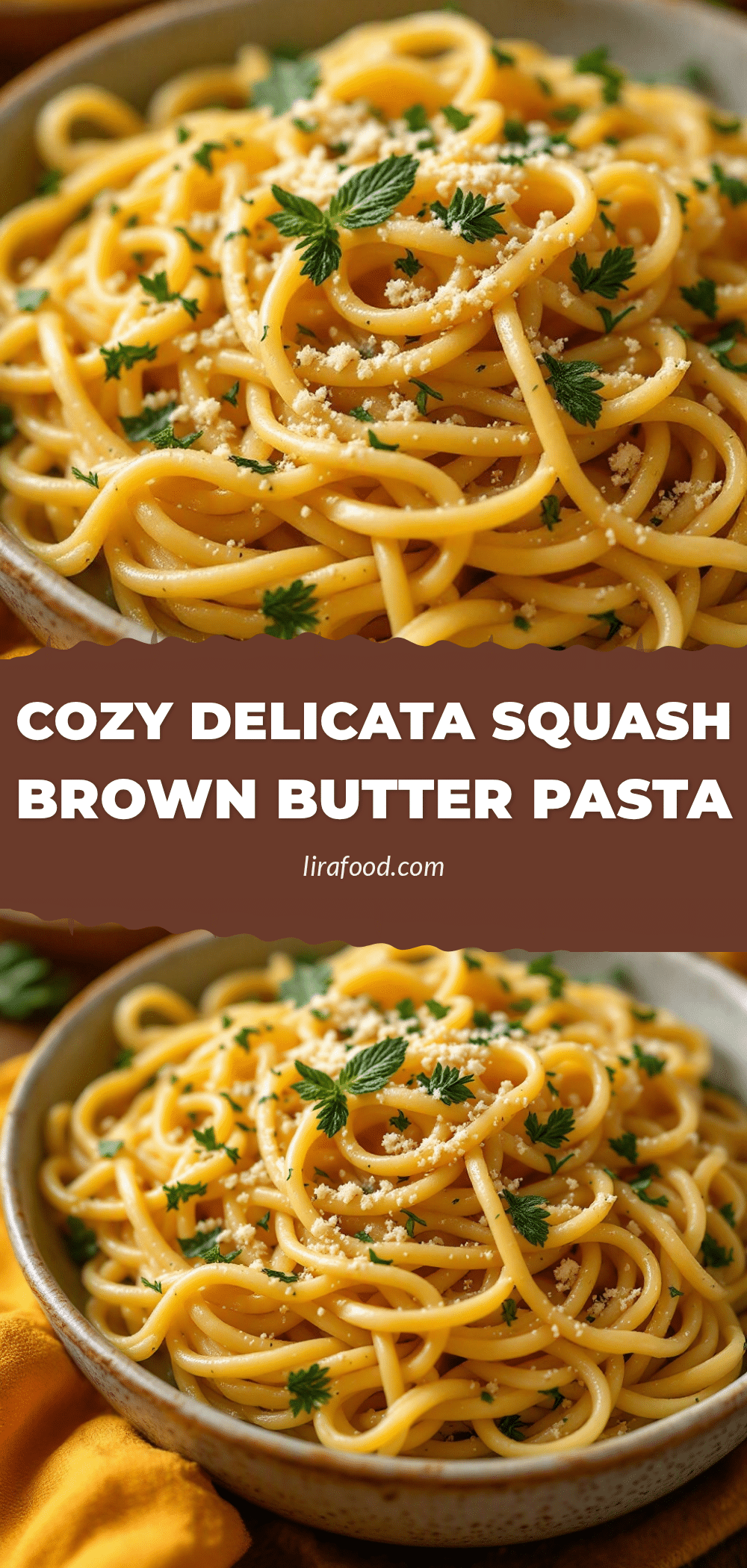
Cozy Delicata Squash Pasta with Sage Brown Butter
A simple yet elegant fall pasta featuring roasted delicata squash, nutty brown butter, and crispy sage. Ready in about 30 minutes with minimal ingredients.
- Prep Time: 15 minutes
- Cook Time: 20 minutes
- Total Time: 35 minutes
- Yield: 4 servings 1x
- Category: Main Course
- Cuisine: Italian
Ingredients
- 1 medium delicata squash (about 1 pound / 450g)
- 3 tablespoons olive oil (45ml)
- ½ teaspoon sea salt (3g), plus more for pasta water
- ¼ teaspoon freshly ground black pepper (1g)
- 12 ounces dried pasta (340g), such as rigatoni, pappardelle, or fettuccine
- 4 tablespoons unsalted butter (56g), preferably European-style
- 12–15 fresh sage leaves
- ½ cup grated Parmesan cheese (50g), freshly grated
- ¼ cup reserved pasta water (60ml), plus more as needed
Instructions
- Preheat oven to 425°F (220°C). Wash delicata squash, cut off ends, slice in half lengthwise, and scoop out seeds. Slice into ½-inch (1.25cm) half-moons.
- Toss squash crescents with 2 tablespoons olive oil, ¼ teaspoon salt, and black pepper. Spread in a single layer on a baking sheet. Roast for 18-22 minutes, flipping halfway, until edges are golden and centers are tender.
- Bring a large pot of salted water to a boil. Cook pasta according to package directions until al dente. Reserve 1 cup (240ml) pasta water before draining. Do not rinse.
- In a large skillet, melt 4 tablespoons butter over medium heat. Swirl occasionally until butter foams, then turns golden brown with nutty aroma (about 2 minutes). Add sage leaves; cook 30 seconds until crisp. Transfer sage to paper towel-lined plate.
- Return skillet with brown butter to low heat. Add roasted squash and toss gently. Add drained pasta and ¼ cup reserved pasta water. Toss to combine, adding more pasta water if needed for a silky sauce.
- Remove from heat. Sprinkle Parmesan over pasta and toss until melted. Season with salt to taste. Serve in warm bowls, topped with crispy sage leaves and extra Parmesan if desired.
Notes
Don’t rush the brown butter; watch for golden specks and nutty aroma. Cut squash evenly for uniform roasting. Reserve more pasta water than you think you need. Toast sage leaves separately and add as garnish for crunch. For best results, serve immediately.
Nutrition
- Serving Size: 1 serving
- Calories: 485
- Sodium: 520
- Fat: 22
- Carbohydrates: 58
- Fiber: 6
- Protein: 14
Keywords: delicata squash pasta, brown butter sage pasta, fall pasta recipe, easy weeknight dinner, vegetarian pasta