Love this? Save it for later!
Share the inspiration with your friends
I figured braised pork chops required a laundry list of steps and a sink full of dirty dishes. It took about one chilly Tuesday evening for that assumption to completely fall apart. I had a pack of bone-in chops thawing on the counter, a half-empty jug of apple cider in the fridge from a weekend baking project, and absolutely zero energy for a complicated dinner.
So I did something that felt almost rebellious. I threw it all in one heavy pan. No searing the meat in a separate skillet, no deglazing with wine in a different pot, no transferring everything to a baking dish halfway through. Just one pan, a few pantry spices, and a quiet hope that it wouldn’t taste like a science experiment gone wrong.
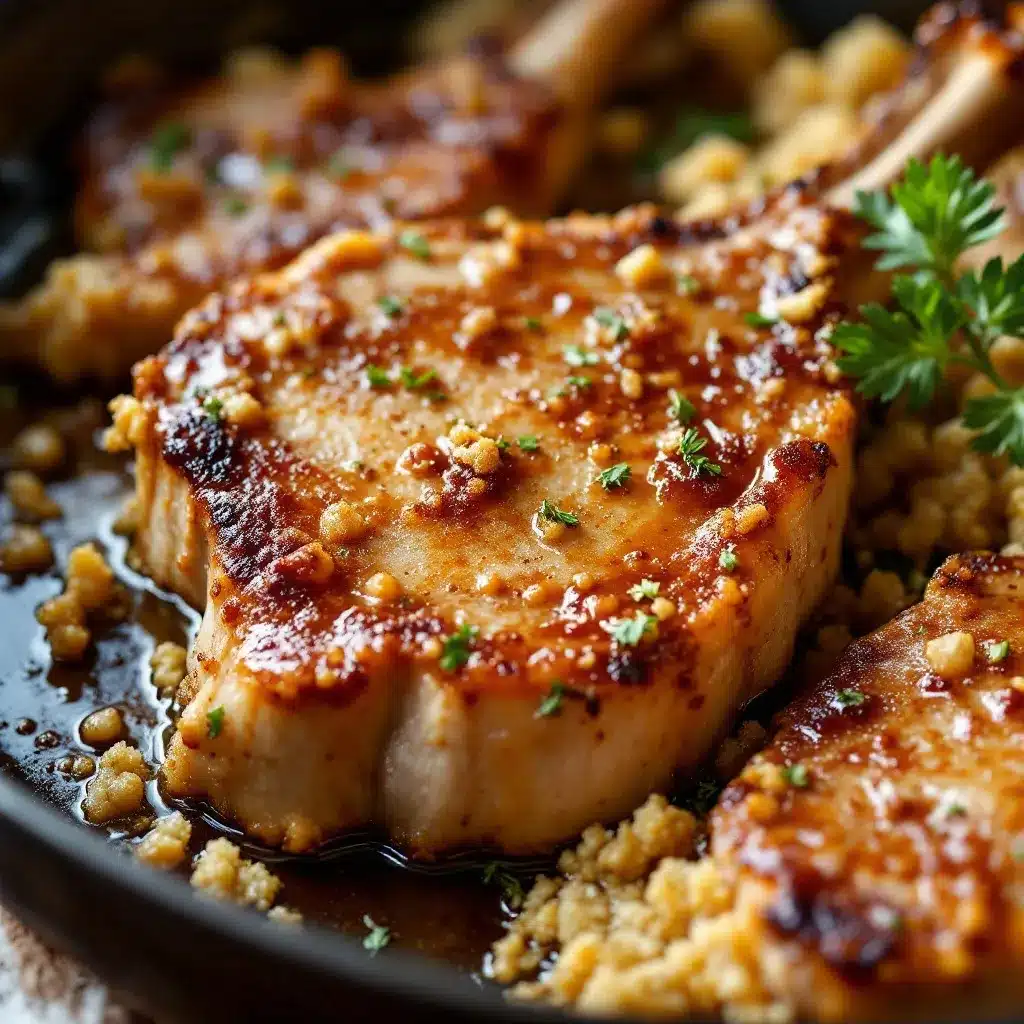
The smell that filled my kitchen about twenty minutes in was the first hint I was onto something. It wasn’t just the pork cooking; it was the cider reducing into something almost syrupy, the onions softening into submission, the whole thing smelling like a cozy autumn afternoon trapped in a skillet. By the time I pulled the pan from the oven, the sauce had transformed into this glossy, savory-sweet coating that clung to the pork like it had been planning to all along.
Honestly, that first bite was a bit of a shock. The meat was fork-tender, the kind of tender you usually have to work for. And I had barely worked at all. That’s the thing about this recipe—it doesn’t ask much of you, but it delivers like it does. It’s not fancy. It’s just smart. And it’s the kind of meal that makes you feel like you pulled off something impressive, even though the real secret is how little you actually did.
Why You’ll Love This Recipe
Let’s be real for a second. Pork chops have a reputation for being dry and boring. People either overcook them into hockey pucks or under-season them into blandness. This recipe solves both problems in one fell swoop. The braising method is basically foolproof—it keeps the meat moist while the apple cider works its magic on the flavor.
- One-Pan Wonder: Everything happens in a single oven-safe skillet. That means less cleanup, less stress, and more time to actually enjoy your evening.
- Simple Ingredients: You probably already have most of this stuff in your kitchen. No special trips to the store for obscure ingredients. Just honest, everyday food.
- Perfect for Weeknights: This comes together in about 45 minutes, most of which is hands-off oven time. Toss it in, set a timer, and go fold laundry or pour yourself a glass of wine.
- Crowd-Pleaser: I’ve served this to picky kids, skeptical in-laws, and friends who “don’t really like pork.” Every single plate came back clean. It’s one of those recipes that just works.
- Next-Level Comfort Food: The combination of savory browned pork and sweet-tart apple cider creates this incredible flavor profile that feels both familiar and special. It’s like a warm hug on a plate.
What makes this different from other pork chop recipes? It’s the technique. Most recipes either pan-fry or bake. This one does both—a quick sear on the stovetop, then a slow braise in the oven. That two-step process locks in flavor and guarantees tenderness every single time. I’ve tested it with thin chops, thick chops, boneless, bone-in—it works across the board.
And honestly, there’s something about cooking with apple cider that just feels right. It’s not trying to be fancy. It’s just good, honest cooking that happens to taste incredible. This is the kind of meal that makes you slow down and actually taste what you’re eating.
What Ingredients You Will Need
This recipe uses simple, wholesome ingredients to deliver bold flavor and satisfying texture without the fuss. Most of these are pantry staples, which is exactly how weeknight cooking should be.
For the Pork Chops:
- 4 bone-in pork chops, about 1-inch thick (the bone adds flavor and helps keep the meat moist during braising)
- 1 tablespoon olive oil (or any neutral oil with a high smoke point for searing)
- 1 teaspoon salt (I prefer kosher salt for its clean flavor and easy pinch-ability)
- 1/2 teaspoon black pepper, freshly ground
- 1 teaspoon garlic powder (not garlic salt—we’re controlling the sodium here)
- 1 teaspoon dried thyme (or 1 tablespoon fresh, if you have it on hand)
For the Braising Liquid:
- 1 1/2 cups apple cider (unsweetened is best; the natural sweetness is plenty for this dish)
- 1 medium yellow onion, thinly sliced (they practically melt into the sauce as they cook)
- 2 cloves garlic, minced (adds that savory backbone to balance the sweet cider)
- 1 tablespoon Dijon mustard (trust me on this—it adds a subtle tang that makes the whole thing sing)
- 1 tablespoon apple cider vinegar (brightens everything up and cuts through the richness)
- 1 tablespoon brown sugar (optional, but it helps deepen the caramelization)
- 1 sprig fresh rosemary (or 1/2 teaspoon dried, but fresh really shines here)
- 2 tablespoons unsalted butter, cut into small pieces (stirred in at the end for a silky finish)
For Serving (Optional but Recommended):
- Mashed potatoes, egg noodles, or crusty bread to soak up all that glorious sauce
- Fresh parsley or thyme for garnish
A quick note on ingredient selection: Look for pork chops that have decent marbling—those thin, lean chops you see on sale? They’ll work in a pinch, but they won’t be as tender. I personally prefer chops from a local butcher when I can swing it, but the grocery store ones work just fine. And for the apple cider, grab the refrigerated stuff if you can find it. The shelf-stable kind works too, but the fresh stuff has a brighter flavor that really comes through in the finished dish. If you’re looking for a way to use up extra cider, this Sunday pork roast with apple and sage stuffing is another fantastic option.
Equipment Needed
You don’t need a lot of fancy gear for this one. Here’s what you’ll actually use:
- Large oven-safe skillet or Dutch oven: A 12-inch cast iron skillet is my go-to for this recipe. It heats evenly, holds heat like a champ, and goes straight from stovetop to oven without complaint. If you don’t have cast iron, any heavy-bottomed oven-safe pan will work. Just avoid nonstick pans with plastic handles—those won’t survive the oven.
- Tongs: For flipping the pork chops without piercing them. A fork will release those precious juices. Tongs are your friend here.
- Cutting board and sharp knife: For slicing the onion and mincing the garlic. A dull knife is actually more dangerous than a sharp one—it slips. Keep your knives sharp, friends.
- Measuring cups and spoons: Because eyeballing apple cider is a risky game. You want enough liquid to braise but not so much that you’re boiling the meat.
- Meat thermometer: Not strictly necessary, but if you’re nervous about overcooking, this is your insurance policy. Pork is safe at 145°F, but for braised chops, you’re actually taking them a bit higher—around 160-165°F—because the moisture in the pan keeps them tender.
If you don’t have an oven-safe skillet, you can sear the chops in a regular pan and then transfer everything to a baking dish. It’s one extra step, but it works in a pinch. I’ve done it. Nobody complained.
Preparation Method
Alright, let’s get cooking. This is easier than you think, I promise.
- Preheat your oven to 350°F (175°C). Get that going first so it’s ready when you are. Position the rack in the middle of the oven for even cooking.
- Pat the pork chops dry with paper towels. This is non-negotiable. Wet meat won’t brown properly, and browning is where all the flavor lives. Take an extra thirty seconds to really dry them off. You’ll thank me later.
- Season both sides of the chops with salt, pepper, garlic powder, and dried thyme. Don’t be shy with the seasoning—a lot of it will end up in the braising liquid anyway. Let the seasoned chops sit at room temperature for about 10 minutes while you prep the onion.
- Heat the olive oil in your oven-safe skillet over medium-high heat until it shimmers. You want it hot enough that the chops sizzle the moment they hit the pan. If they don’t sizzle, the pan isn’t ready. Wait another minute.
- Sear the pork chops in a single layer (work in batches if your pan is crowded). Cook for 3-4 minutes per side, until they’re deeply golden brown. Don’t move them around while they cook—let that crust form. When they release easily from the pan, they’re ready to flip. Transfer the seared chops to a plate and set them aside.
- Reduce the heat to medium and add the sliced onion to the same pan. Scrape up any browned bits from the bottom of the pan as the onion cooks—that’s pure flavor. Cook the onion for 4-5 minutes, stirring occasionally, until it’s soft and translucent and starting to pick up some color.
- Add the minced garlic and cook for about 30 seconds, until fragrant. Garlic burns fast, so keep it moving. You’ll smell it when it’s ready.
- Pour in the apple cider and stir to combine, scraping up any remaining browned bits from the bottom of the pan. Add the Dijon mustard, apple cider vinegar, brown sugar, and the rosemary sprig. Stir everything together and let it come to a gentle simmer. The smell at this point is absolutely intoxicating—sweet, savory, and a little bit tangy all at once.
- Return the seared pork chops to the skillet, nestling them down into the liquid. The cider should come about halfway up the sides of the chops. If it doesn’t, add a splash more cider or a little chicken broth. Spoon some of the liquid over the tops of the chops.
- Transfer the skillet to the preheated oven and bake uncovered for 25-30 minutes. The cooking time depends on the thickness of your chops. For 1-inch thick chops, 25 minutes is usually perfect. The liquid should be bubbling gently, and the pork should be cooked through and tender.
- Remove the skillet from the oven and transfer the pork chops to a clean plate. Tent them loosely with foil to keep them warm while you finish the sauce.
- Place the skillet back on the stovetop over medium heat. Bring the braising liquid to a simmer and let it reduce for 5-7 minutes, until it’s thickened slightly and the onions are practically melting into the sauce. Remove the rosemary sprig—it’s done its job.
- Remove the skillet from the heat and whisk in the butter pieces until they’re fully melted and the sauce is glossy and smooth. Taste the sauce and adjust the seasoning if needed. A pinch more salt or a splash more vinegar can make a big difference.
- Return the pork chops to the skillet, spooning the sauce and onions over the top. Garnish with fresh parsley or thyme if you’re feeling fancy. Serve immediately.
A quick note on timing: The whole process takes about 45 minutes from start to finish. The active cooking time is only about 15 minutes. The rest is just oven time. This is one of those magical recipes that does most of the work while you do other things.
Cooking Tips & Techniques
I’ve made this recipe more times than I can count, and I’ve learned a few things along the way. Some of these lessons came from spectacular failures. You’re welcome to learn from my mistakes.
Don’t skip the sear. I know it’s tempting to just throw everything in the pan and call it a day. But that initial browning is where the magic happens. The Maillard reaction—that chemical process that creates those deep, complex flavors—only happens at high heat. Without it, you end up with pale, sad pork chops that taste more like boiled meat than braised goodness. Trust the process. Take the extra few minutes.
Watch your heat during the sear. Medium-high is the sweet spot. Too low and you won’t get browning. Too high and you’ll burn the outside before the inside cooks. If your pan starts smoking excessively, dial it back a notch. Your kitchen shouldn’t look like a fog machine.
Let the meat rest. After the oven, let those chops sit for about 5 minutes before serving. This allows the juices to redistribute throughout the meat. Cut into them too soon and all that goodness ends up on the cutting board instead of in your mouth. Patience is a virtue, especially when pork is involved.
Thick chops are your friends. Thin pork chops (less than 1/2 inch) will overcook in the time it takes to sear them. If that’s all you have, reduce the braising time to about 15 minutes and check for doneness early. But honestly, thick bone-in chops are worth the extra few dollars. They’re more forgiving and the results are noticeably better.
One mistake I made early on? I used sweetened apple cider once because that’s what I grabbed at the store. The sauce ended up cloyingly sweet, like candy masquerading as dinner. Stick with unsweetened cider. The natural sugars in the apples are plenty. If you want more sweetness, you control it with the brown sugar—not the cider.
Variations & Adaptations
This recipe is flexible, which is one of the reasons I keep coming back to it. Here are a few ways to change it up:
Dietary Adaptations:
- Gluten-Free: This recipe is naturally gluten-free as written. Just double-check your Dijon mustard—some brands add wheat flour as a thickener. Most are fine, but it’s worth a quick label check.
- Dairy-Free: Skip the butter at the end or use a plant-based butter alternative. The sauce won’t be quite as silky, but it’ll still be delicious.
- Low-Sugar: Omit the brown sugar entirely. The apple cider provides enough natural sweetness on its own. You might want to add a pinch more salt to balance the flavors.
Flavor Variations:
- Herb Swap: Not a rosemary fan? Use fresh sage or thyme instead. Both pair beautifully with apple and pork. I’ve even used a bay leaf in a pinch.
- Spice It Up: Add a pinch of red pepper flakes or a dash of cayenne to the braising liquid for a subtle heat that contrasts nicely with the sweet cider.
- Apple Addition: Toss in a chopped apple (Honeycrisp or Granny Smith work great) along with the onions. They soften during braising and add little pockets of apple flavor throughout the sauce.
- Mustard Swap: Whole grain mustard instead of Dijon adds texture and a slightly different tang. It’s a small change that makes a noticeable difference.
Cooking Method Variations:
- Slow Cooker: Sear the chops and sauté the onions in a skillet first, then transfer everything to a slow cooker. Cook on low for 6-8 hours or high for 3-4 hours. Thicken the sauce on the stovetop before serving.
- Instant Pot: Use the sauté function to sear the chops and cook the onions. Add the remaining ingredients, seal the lid, and cook on high pressure for 8 minutes. Quick release, remove the chops, and reduce the sauce using the sauté function.
I personally love adding a chopped apple during the fall months. It makes the whole dish feel like a celebration of the season. If you’re looking for another cozy autumn dish, this classic chicken pot pie is a perfect companion for those chilly evenings.
Serving & Storage Suggestions
This dish is incredibly versatile when it comes to serving. Here’s how I like to do it:
Serving Temperature and Presentation: Serve the pork chops hot, straight from the skillet. Spoon plenty of that gorgeous sauce and those soft, caramelized onions over the top. A sprinkle of fresh parsley or thyme adds a pop of color and freshness that cuts through the richness. I like to serve this family-style, with the skillet right on the table. It’s rustic and inviting, and it means seconds are just an arm’s reach away.
What to Serve With It:
- Mashed Potatoes: The classic choice. Creamy mashed potatoes are basically a vehicle for that apple cider sauce. I make them extra buttery because the sauce is so flavorful.
- Egg Noodles: Wide, buttery egg noodles catch every bit of that sauce. It’s simple, satisfying, and comes together fast.
- Crusty Bread: For sopping up the sauce. No shame in using bread to clean your plate. That’s actually the mark of a good meal.
- Roasted Vegetables: Brussels sprouts, carrots, or green beans all work beautifully. The slight bitterness of roasted Brussels sprouts is a particularly nice contrast to the sweet-tart sauce.
- Simple Salad: A crisp green salad with a tangy vinaigrette cuts through the richness and adds a fresh element to the plate.
Storage Instructions: Leftovers keep well in an airtight container in the refrigerator for up to 3 days. The flavors actually meld and deepen overnight, so it might taste even better the next day. I’ve been known to make extra on purpose just for leftovers.
Reheating Tips: The best way to reheat is low and slow. Place the pork chops and sauce in a covered skillet over low heat for about 10 minutes, or until warmed through. You can also use the microwave in a pinch, but the meat won’t be as tender. If the sauce has thickened too much, add a splash of apple cider or chicken broth to loosen it up.
Freezer Instructions: This recipe freezes surprisingly well. Place the cooled pork chops and sauce in a freezer-safe container and freeze for up to 3 months. Thaw overnight in the refrigerator before reheating. I like to portion them out individually so I can grab just what I need.
Flavor Development: Here’s something I’ve noticed: the sauce gets even better after a day in the fridge. The flavors marry together, the onions continue to soften, and everything just gets more cohesive. If you have the time, making this a day ahead is actually a pro move. Just reheat gently before serving.
Nutritional Information & Benefits
Here’s the approximate nutritional breakdown per serving (based on 4 servings, using bone-in pork chops and the full sauce):
- Calories: Approximately 380-420 per serving
- Protein: 35-40g
- Fat: 18-22g (mostly from the pork and butter)
- Carbohydrates: 15-18g (from the apple cider and onions)
- Fiber: 1-2g
- Sugar: 10-12g (naturally occurring from the apple cider)
- Sodium: 500-600mg (depends on how much salt you use)
Health Benefits: Pork is an excellent source of high-quality protein, which is essential for muscle repair and growth. It’s also rich in B vitamins, particularly B12 and B6, which support energy metabolism and brain function. Apple cider contains antioxidants called polyphenols, which have anti-inflammatory properties. And onions? They’re packed with quercetin, a powerful antioxidant that supports heart health. This isn’t health food in the strict sense, but it’s real food made from real ingredients. And that counts for something.
Dietary Considerations: This recipe is naturally gluten-free and can easily be made dairy-free by omitting the butter. If you’re watching your sugar intake, skip the brown sugar and rely on the natural sweetness of the cider. The protein content makes it a satisfying choice for those following a higher-protein diet.
Potential Allergens: Dairy (butter), mustard (if you have a mustard allergy, simply omit it or use a mustard-free alternative).
I’m not a nutritionist, and I don’t pretend to be one. But I do believe that cooking real food at home is one of the best things you can do for your health. This recipe fits that philosophy perfectly.
Frequently Asked Questions
Can I use boneless pork chops for this recipe?
Absolutely. Boneless chops work fine, but they cook a bit faster since there’s no bone to slow things down. Check for doneness around the 20-minute mark instead of 25. The bone does add flavor and helps keep the meat moist, so if you have the choice, go bone-in. But in a pinch, boneless will do the job.
What if I don’t have apple cider? Can I use apple juice?
You can, but the results won’t be quite as good. Apple juice is thinner and sweeter than cider, so the sauce won’t have the same depth of flavor. If you’re using juice, skip the brown sugar and add a teaspoon of apple cider vinegar to brighten things up. It won’t be exactly the same, but it’ll still be tasty.
Can I make this recipe in advance?
Yes, and I actually recommend it. The flavors develop beautifully overnight. Make the recipe as directed, let it cool, and store it in the refrigerator. When you’re ready to serve, reheat gently in a covered skillet over low heat. Add a splash of cider or broth if the sauce has thickened too much. It’s a great make-ahead meal for busy weeknights.
My pork chops came out tough. What went wrong?
There are a few possible culprits. First, you might have overcooked them. Pork chops don’t need to be cooked to death—they’re done when they reach 145°F internally. Second, you might have used thin chops, which dry out faster. Thick bone-in chops are more forgiving. Third, you might not have seared them long enough. That initial browning creates flavor, but it also helps seal in moisture. Don’t rush the sear.
Can I add vegetables to the pan?
Absolutely. Sliced apples, carrots, parsnips, or even quartered Brussels sprouts work beautifully. Add them along with the onions in step 6. They’ll soften and absorb all that delicious apple cider flavor. Just make sure you cut them into even-sized pieces so they cook evenly. If you’re looking for another one-pan meal with a similar vibe, this oxtail stew is a fantastic option for those days when you want something deeply comforting.
Conclusion
This easy one-pan apple cider braised pork chops recipe is the kind of meal that makes you feel like you’ve got your life together, even on the days when you absolutely don’t. It’s simple enough for a Tuesday night, but impressive enough for company. The sauce is the star of the show—rich, tangy, sweet, and savory all at once—and the pork comes out perfectly tender every single time.
What I love most about this recipe is how adaptable it is. You can dress it up or down, swap in different herbs, add vegetables, or change the cooking method entirely. It’s forgiving. It’s flexible. And it’s always, always delicious. That’s the kind of recipe worth holding onto.
So go ahead and give it a try. Don’t be afraid to make it your own—add a little more mustard, throw in an extra apple, or serve it over whatever grain you have in the pantry. Cooking is supposed to be personal. This recipe is just a starting point.
If you make this, I’d love to hear how it turned out. Drop a comment below, share a photo, or tell me what variations you tried. And if you’re looking for another one-pan wonder to add to your rotation, this Italian dressing chicken is another weeknight hero that delivers big flavor with minimal effort.
Happy cooking, friends. You’ve got this.
Pin This Recipe!

Easy One-Pan Apple Cider Braised Pork Chops

Fork-tender pork chops braised in a savory-sweet apple cider sauce, all made in a single pan for minimal cleanup. This foolproof weeknight dinner delivers deep flavor with just 15 minutes of active cooking time.
- Prep Time: 15 minutes
- Cook Time: 30 minutes
- Total Time: 45 minutes
- Yield: 4 servings 1x
- Category: Main Course
- Cuisine: American
Ingredients
- 4 bone-in pork chops, about 1-inch thick
- 1 tablespoon olive oil
- 1 teaspoon kosher salt
- 1/2 teaspoon black pepper, freshly ground
- 1 teaspoon garlic powder
- 1 teaspoon dried thyme
- 1 1/2 cups unsweetened apple cider
- 1 medium yellow onion, thinly sliced
- 2 cloves garlic, minced
- 1 tablespoon Dijon mustard
- 1 tablespoon apple cider vinegar
- 1 tablespoon brown sugar (optional)
- 1 sprig fresh rosemary (or 1/2 teaspoon dried)
- 2 tablespoons unsalted butter, cut into small pieces
- Fresh parsley or thyme for garnish (optional)
Instructions
- Preheat your oven to 350°F (175°C). Position the rack in the middle of the oven.
- Pat the pork chops dry with paper towels. Season both sides with salt, pepper, garlic powder, and dried thyme. Let sit at room temperature for about 10 minutes.
- Heat the olive oil in a large oven-safe skillet over medium-high heat until shimmering.
- Sear the pork chops in a single layer (work in batches if needed) for 3-4 minutes per side, until deeply golden brown. Transfer to a plate and set aside.
- Reduce heat to medium. Add the sliced onion to the same pan and cook for 4-5 minutes, stirring occasionally, until soft and translucent. Scrape up any browned bits from the bottom.
- Add the minced garlic and cook for about 30 seconds until fragrant.
- Pour in the apple cider, stirring to combine and scraping up any remaining browned bits. Add Dijon mustard, apple cider vinegar, brown sugar (if using), and rosemary sprig. Bring to a gentle simmer.
- Return the seared pork chops to the skillet, nestling them into the liquid. The cider should come about halfway up the sides of the chops. Spoon some liquid over the tops.
- Transfer the skillet to the preheated oven and bake uncovered for 25-30 minutes, until pork is cooked through and tender.
- Remove the skillet from the oven. Transfer pork chops to a clean plate and tent loosely with foil.
- Place the skillet back on the stovetop over medium heat. Simmer the braising liquid for 5-7 minutes until thickened slightly. Remove the rosemary sprig.
- Remove from heat and whisk in the butter pieces until melted and the sauce is glossy. Taste and adjust seasoning if needed.
- Return the pork chops to the skillet, spooning sauce and onions over the top. Garnish with fresh parsley or thyme if desired. Serve immediately.
Notes
For best results, use thick bone-in pork chops (about 1-inch thick). Unsweetened apple cider is preferred; if using apple juice, skip the brown sugar and add an extra teaspoon of apple cider vinegar. The sauce can be made dairy-free by omitting the butter. Leftovers keep in the refrigerator for up to 3 days and freeze well for up to 3 months.
Nutrition
- Serving Size: 1 pork chop with sau
- Calories: 400
- Sugar: 11
- Sodium: 550
- Fat: 20
- Saturated Fat: 8
- Carbohydrates: 16
- Fiber: 1
- Protein: 38
Keywords: apple cider pork chops, one-pan pork chops, braised pork chops, easy pork chop recipe, weeknight dinner, fall recipe, comfort food