Love this? Save it for later!
Share the inspiration with your friends
I burned the brown sugar glaze on my first three meatloaves before I finally figured out why it kept turning into a carbonized brick. It wasn’t that I didn’t want it to be good. I just didn’t understand how sugar behaves when it hits direct oven heat. I thought more sugar meant more flavor, so I slathered it on thick, right in the center, and watched it smoke. The kitchen smelled like a campfire gone wrong, and the loaf itself was dry and sad.
Let’s face it, meatloaf has a reputation. People think of it as the dish you make when you’re tired or when the grocery budget is tight. I used to think that too. But after years of tweaking, I realized the secret isn’t in the meat. It’s in the balance of sweet and savory. The brown sugar needs to caramelize, not char. It needs to form a sticky, glossy crust that pulls away from the sides of the pan when you’re done.
I still remember the first time I got it right. I pulled the loaf out and the glaze was bubbling gently, dark and rich. The smell wasn’t acrid; it was sweet, like a bakery window. My family didn’t say anything at first. Then my husband took a bite, closed his eyes, and just nodded. That was the moment I knew I had cracked the code. This isn’t just dinner. It’s a comfort blanket for your stomach.
The key was lowering the oven temperature slightly and adding the glaze at the very end. It sounds simple, but that timing change made all the difference. Now, when I make this juicy brown sugar glazed meatloaf, I don’t stress about the smoke alarm. I just enjoy the process. You will too, once you see how easy it is to get that perfect, sticky finish.
Why You’ll Love This Recipe
Why This Meatloaf Stands Out From the Rest
You know how some recipes feel like they were written by someone who has never actually cooked in a home kitchen? This one isn’t like that. I’ve tested this juicy brown sugar glazed meatloaf enough times to know exactly what works and what falls flat. The result is a loaf that stays moist even if you overcook it by ten minutes. Honestly, that’s a huge win for busy weeknights.
Here is why this recipe earns a permanent spot on your weekly rotation:
- Quick & Easy Prep: Unlike some complicated dishes that require hours of marinating, this comes together in under 30 minutes. You just mix, shape, and bake. It’s perfect for those nights when you walk in the door and realize you forgot to defrost something.
- Pantry Staple Ingredients: You likely already have everything you need. No fancy trips to a specialty store. Just ketchup, brown sugar, mustard, and some basic spices. It’s simple, wholesome cooking that doesn’t break the bank.
- Perfect for Family Dinners: This is the kind of meal that gets everyone to the table. Kids love the sweet glaze, and adults appreciate the savory depth. It’s a crowd-pleaser that works for potlucks, Sunday dinners, or even lunch leftovers the next day.
- Unbelievably Delicious Texture: The glaze creates a fantastic contrast to the tender meat. It’s not just soft; it has a slight chew from the caramelized sugar. It’s comfort food reimagined—richer than a standard meatloaf but lighter than a heavy roast.
What makes this different from the rest is the balance. Many recipes go too heavy on the salt or make the loaf too dense. I use a mix of ground beef and pork for the best texture, and the glaze is applied late so it stays glossy. It’s the kind of recipe that makes you close your eyes after the first bite. It’s soul-soothing satisfaction in a slice.
What Ingredients You Will Need
This recipe relies on simple, high-quality ingredients to deliver bold flavor without needing a long shopping list. The magic happens in the glaze, so don’t skimp on the brown sugar. Using dark brown sugar adds a molasses note that light sugar just can’t match.
Here is what you need to gather for the loaf and the glaze:
For the Meatloaf Base
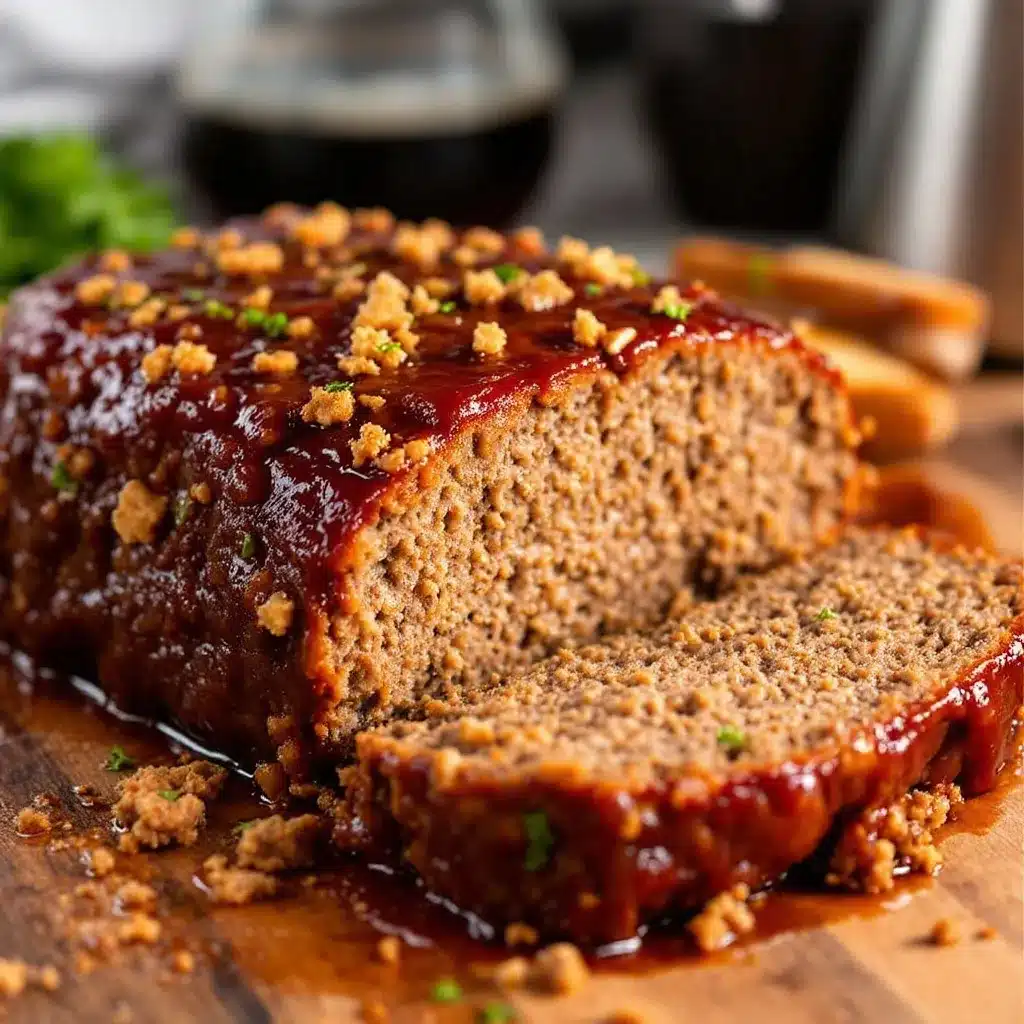
- Ground Beef (80/20 blend): 1 lb (450g). The fat content is crucial for juiciness. Lean beef will make a dry loaf.
- Ground Pork: ½ lb (225g). Adding pork adds sweetness and keeps the texture tender. You can use all beef if you prefer, but the pork is highly recommended.
- Breadcrumbs: ½ cup (50g). Plain dried breadcrumbs absorb moisture. Panko works too, but regular is standard.
- Milk: ½ cup (120ml). Whole milk is best. It soaks into the breadcrumbs to create a panade, which keeps the meat soft.
- Eggs: 2 large eggs, room temperature. These act as the binder to hold everything together.
- Onion: 1 small yellow onion, finely diced. Fresh onion provides a sharp, savory base.
- Garlic: 2 cloves, minced. Fresh garlic is non-negotiable for that aromatic punch.
- Dried Parsley: 1 teaspoon. Adds a touch of earthiness and color.
- Salt and Black Pepper: 1 teaspoon each, or to taste. Season the meat directly, not just the glaze.
For the Glaze
- Ketchup: ½ cup (120g). Use a good quality brand like Heinz for consistent tang and sweetness.
- Brown Sugar: ¼ cup (50g). Packed firmly. Dark brown sugar is preferred for deeper flavor.
- Apple Cider Vinegar: 1 tablespoon. This cuts through the richness and adds brightness.
- Worcestershire Sauce: 1 teaspoon. Adds umami depth that complements the beef.
- Dijon Mustard: 1 teaspoon. Provides a subtle tang that balances the sugar.
I personally prefer using a cast-iron skillet for baking because it holds heat well. If you don’t have one, a standard loaf pan works fine. Just make sure your ingredients are at room temperature before mixing. It helps everything combine more evenly.
Equipment Needed
You don’t need a fancy kitchen to make this. Here is the gear you’ll actually use:
- Large Mixing Bowl: A wide bowl makes it easier to mix the meat without making a mess. Glass or stainless steel works best.
- Loaf Pan or Baking Sheet: A 9×5 inch loaf pan is traditional. However, I often bake it on a sheet pan for better glaze circulation. If using a pan, grease it well.
- Meat Thermometer: This is the most important tool. It prevents guesswork. You want an internal temperature of 160°F (71°C).
- Small Saucepan or Bowl: For mixing the glaze ingredients until smooth.
- Pastry Brush: For applying the glaze evenly. Silicone brushes are easy to clean.
If you don’t have a meat thermometer, you can cut into the center to check, but it lets out juices. A thermometer is worth the investment. It ensures your meatloaf is safe to eat without being dry.
Preparation Method
Step 1: Prep Your Oven and Pan
Preheat your oven to 350°F (175°C). This is a moderate heat that cooks the meat through without burning the outside too quickly. If you are using a loaf pan, line it with parchment paper or grease it lightly with cooking spray. If using a baking sheet, line it with foil for easy cleanup.
Step 2: Make the Panade
In your mixing bowl, combine the breadcrumbs and milk. Let this sit for 5 minutes. You want the breadcrumbs to absorb the milk completely. This mixture, called a panade, is the secret to a tender loaf. If you skip this, the breadcrumbs will stay dry and gritty.
Step 3: Mix the Meat
Add the ground beef, ground pork, eggs, diced onion, minced garlic, parsley, salt, and pepper to the bowl. Use your hands to mix everything gently. Do not overmix! Overworking the meat makes it tough and dense. Stop as soon as the ingredients are combined. It should look shaggy and loose.
Step 4: Shape the Loaf
Transfer the meat mixture to your prepared pan or sheet. Shape it into a loaf. If using a sheet pan, make it slightly taller in the middle. Meatloaf shrinks as it cooks, so starting with a higher center ensures an even shape. Press it down gently to remove air pockets.
Step 5: Make the Glaze
In a small bowl, whisk together the ketchup, brown sugar, apple cider vinegar, Worcestershire sauce, and Dijon mustard. Stir until the sugar is dissolved. The mixture should be smooth and glossy. Taste it—it should be sweet and tangy.
Step 6: Initial Bake
Place the loaf in the oven and bake for 45 minutes. Do not add the glaze yet. The raw sugar in the glaze will burn if exposed to heat for the full hour. This initial bake sets the structure of the loaf.
Step 7: Add the Glaze
Remove the loaf from the oven. Carefully pour off any excess liquid from the pan (this prevents sogginess). Brush the glaze generously over the top of the meatloaf. Make sure to get some on the sides for maximum flavor.
Step 8: Final Bake
Return the loaf to the oven and bake for another 15-20 minutes. Watch it closely. The glaze should bubble and turn dark amber. Use your thermometer to check the center. It should read 160°F (71°C).
Step 9: Rest the Loaf
Remove from the oven and let it rest for 10 minutes before slicing. This is crucial. If you cut it immediately, all the juices will run out, and the slices will fall apart. Resting allows the proteins to relax and the juices to redistribute.
Cooking Tips & Techniques
Avoiding a Dry Loaf
The biggest mistake people make is using too much lean meat. Stick to 80/20 beef. The fat melts during cooking and keeps the loaf juicy. If you only have lean beef, add an extra tablespoon of milk or a beaten egg yolk to compensate.
Glaze Timing is Key
I can’t stress this enough: do not glaze at the beginning. Brown sugar burns at 350°F if left too long. By adding it in the last 15 minutes, you get caramelization without carbonization. If you like a thicker glaze, you can reduce the ketchup mixture on the stove before brushing, but it’s not necessary.
Don’t Skip the Resting Time
I know it’s hard to wait. But slicing hot meatloaf is a disaster. The interior is still set, and cutting it will cause it to crumble. Use that 10 minutes to set the table or make a quick side salad. The loaf will stay warm during this time.
Using a Thermometer
Insert the thermometer into the thickest part of the loaf. Avoid touching the pan, as that will give a false reading. Once it hits 160°F, it’s done. Carryover cooking will raise the temp a few more degrees while it rests.
Multitasking Tips
While the meatloaf bakes, you can prepare simple sides like steamed green beans or mashed potatoes. The aroma will fill the kitchen, so have your sides ready to go. This makes the whole dinner come together quickly.
Variations & Adaptations
Dietary Adjustments
For a gluten-free version, swap regular breadcrumbs for gluten-free panko or almond flour. Make sure your ketchup and Worcestershire sauce are certified gluten-free, as some brands contain wheat.
Flavor Twists
Add ½ cup of finely chopped mushrooms to the meat mixture for extra umami and moisture. You can also swap the brown sugar for maple syrup for a different sweet profile. A dash of smoked paprika in the meat adds a nice depth.
Cheese Lover’s Version
Before shaping the loaf, press a block of cream cheese or a handful of shredded cheddar into the center. Seal the meat around it. When you slice it, you get a gooey cheese center. It’s indulgent and delicious.
Vegetarian Option
You can substitute the meat with a plant-based ground meat alternative. Use the same ratios for breadcrumbs and milk. The cooking time may be slightly shorter, so check the package instructions.
My Personal Favorite
I love adding a tablespoon of soy sauce to the meat mixture. It enhances the beef flavor without making it taste Asian. It’s a subtle trick that makes the savory notes pop.
Serving & Storage Suggestions
How to Serve
Slice the meatloaf into thick pieces, about 1 inch wide. Serve it warm with the extra glaze spooned over the top. It pairs beautifully with creamy mashed potatoes, roasted carrots, or a crisp green salad. A glass of red wine or a cold beer complements the sweetness of the glaze.
Storage Instructions
Store leftovers in an airtight container in the refrigerator for up to 4 days. The meatloaf actually tastes better the next day as the flavors meld together.
Freezing Tips
You can freeze the cooked meatloaf. Wrap it tightly in plastic wrap and then aluminum foil. It will keep for up to 3 months. Thaw it in the refrigerator overnight before reheating.
Reheating Methods
Reheat slices in the microwave for 1-2 minutes, covered with a damp paper towel to keep them moist. For a crispier edge, warm them in a 350°F oven for 10 minutes. Avoid the toaster oven, as it can dry out the edges too quickly.
Flavor Development
The glaze thickens as it cools. If you prefer a looser glaze, warm the leftovers with a splash of water or broth. The flavors become more pronounced after a day, making it great for lunch sandwiches.
Nutritional Information & Benefits
This juicy brown sugar glazed meatloaf provides a good balance of protein and carbohydrates. Each slice (approx. 1/8th of the loaf) contains about 350 calories, 25g of protein, and 15g of fat. The brown sugar adds quick energy, while the beef provides essential iron and B vitamins.
For those watching their sugar intake, you can reduce the brown sugar in the glaze by half and use a sugar substitute. The loaf is naturally low-carb if you omit the breadcrumbs and use almond flour instead. It is not suitable for those with nut allergies if you use the almond flour variation. Overall, it’s a hearty meal that satisfies without being overly heavy.
Conclusion
This juicy brown sugar glazed meatloaf is more than just a recipe. It’s a reliable, delicious meal that brings comfort to your table. I hope you try it and find it as rewarding as I did. Don’t be afraid to tweak the glaze to suit your taste. Maybe add some heat with cayenne, or extra tang with vinegar.
If you make this, I’d love to hear how it turned out. Leave a comment below and tell me about your favorite meatloaf memories. Share this recipe with friends who need easy dinner ideas. Cooking should be fun, not stressful. Enjoy every bite.
Frequently Asked Questions
Can I make meatloaf ahead of time?
Yes. You can shape the loaf and refrigerate it overnight. Add the glaze right before baking. You may need to add 5-10 minutes to the baking time since the loaf starts cold.
Why is my meatloaf dry?
This usually happens from overmixing the meat or using too lean beef. Also, overbaking is a common cause. Use a thermometer and remove it at 160°F. Let it rest to retain juices.
Can I use ground turkey instead?
Yes, but turkey is leaner. Add an extra egg and maybe a tablespoon of olive oil to the mixture to keep it moist. The flavor will be milder, so increase the seasoning.
How do I get a crispy glaze?
Broil the meatloaf for the last 1-2 minutes after applying the glaze. Watch it closely to prevent burning. The high heat caramelizes the sugar quickly.
What sides go best with meatloaf?
Classic sides include mashed potatoes, green beans, corn on the cob, or coleslaw. The glaze pairs well with starchy sides that can soak up the sauce.
Pin This Recipe!
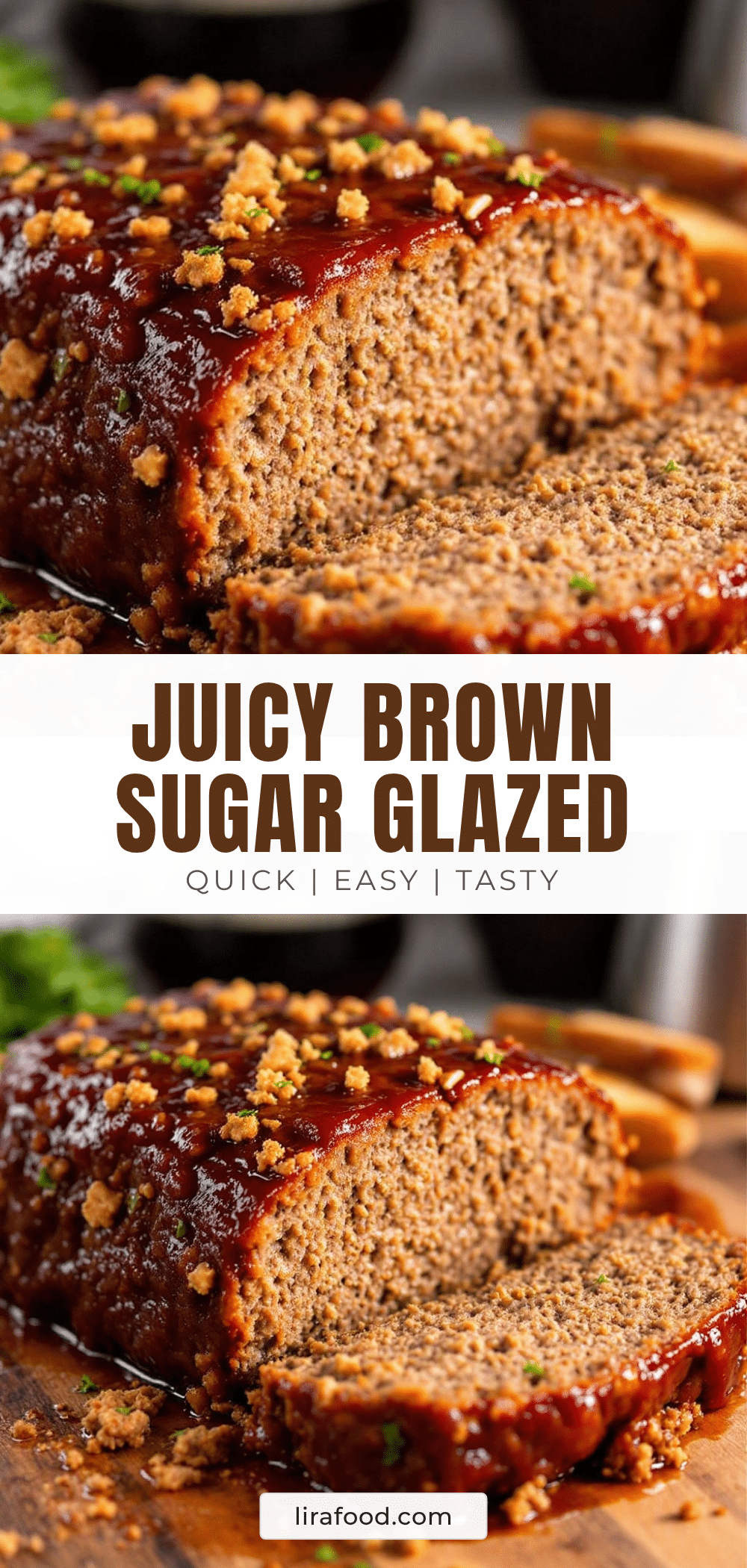
Juicy Brown Sugar Glazed Meatloaf: Easy Perfect Dinner
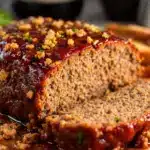
A moist and flavorful meatloaf featuring a caramelized brown sugar glaze. This recipe uses a mix of beef and pork for tenderness and adds the glaze at the end to prevent burning, resulting in a sticky, glossy finish.
- Prep Time: 15 minutes
- Cook Time: 60 minutes
- Total Time: 75 minutes
- Yield: 8 servings 1x
- Category: Main Course
- Cuisine: American
Ingredients
- 1 lb (450g) Ground Beef (80/20 blend)
- ½ lb (225g) Ground Pork
- ½ cup (50g) Plain dried breadcrumbs
- ½ cup (120ml) Whole milk
- 2 large eggs, room temperature
- 1 small yellow onion, finely diced
- 2 cloves garlic, minced
- 1 teaspoon Dried Parsley
- 1 teaspoon Salt
- 1 teaspoon Black Pepper
- ½ cup (120g) Ketchup
- ¼ cup (50g) Brown Sugar, packed
- 1 tablespoon Apple Cider Vinegar
- 1 teaspoon Worcestershire Sauce
- 1 teaspoon Dijon Mustard
Instructions
- Preheat oven to 350°F (175°C). Grease a 9×5 inch loaf pan or line a baking sheet with foil.
- In a mixing bowl, combine breadcrumbs and milk. Let sit for 5 minutes to form a panade.
- Add ground beef, ground pork, eggs, diced onion, minced garlic, parsley, salt, and pepper to the bowl. Mix gently with hands until just combined; do not overmix.
- Transfer mixture to the prepared pan or sheet and shape into a loaf, making the center slightly taller to account for shrinking.
- In a small bowl, whisk together ketchup, brown sugar, apple cider vinegar, Worcestershire sauce, and Dijon mustard until smooth.
- Bake the loaf for 45 minutes without glaze.
- Remove from oven and pour off any excess liquid from the pan.
- Brush the glaze generously over the top and sides of the meatloaf.
- Return to oven and bake for another 15-20 minutes until the internal temperature reaches 160°F (71°C) and the glaze is bubbly and dark amber.
- Remove from oven and let rest for 10 minutes before slicing to allow juices to redistribute.
Notes
Do not add the glaze at the beginning of baking as the sugar will burn. Use a meat thermometer to ensure the internal temperature reaches 160°F. Letting the meatloaf rest for 10 minutes is crucial to prevent it from falling apart when sliced. For a gluten-free version, swap breadcrumbs for gluten-free panko or almond flour.
Nutrition
- Serving Size: 1 slice (approx. 1/8
- Calories: 350
- Sugar: 14
- Sodium: 600
- Fat: 15
- Saturated Fat: 5
- Carbohydrates: 20
- Fiber: 1
- Protein: 25
Keywords: meatloaf, brown sugar glaze, easy dinner, comfort food, ground beef, pork, family dinner, weeknight meal