Love this? Save it for later!
Share the inspiration with your friends
November 23rd, and the only thing I want is a charcuterie board that doesn’t require me to stand at a stove for three hours. The house is already smelling like roasted turkey and sage, and the guests are expected in an hour. Honestly, the stress of coordinating a Friendsgiving usually hits me right around this time. I used to think hosting meant being in the kitchen all day, sweating over gravy. But this year, I decided to stop. I wanted something that felt abundant, colorful, and completely hands-off once assembled.
I remember the first time I tried this approach. It was chaotic. I had three different dishes burning because I was trying to plate everything perfectly. My friend Sarah looked at the mess and just laughed. She handed me a knife and a block of sharp cheddar. “Just pile it up,” she said. “Make it look like you meant to do it.” That was the moment everything changed for me. I realized that grazing boards are less about culinary precision and more about abundance. They are about giving people something to pick at while the main event finishes cooking.
This Ultimate Friendsgiving Grazing Charcuterie Board is my answer to hosting anxiety. It’s not just cheese and crackers. It’s a curated experience that lets you actually enjoy your own party. You get to sit down. You get to talk. And your guests feel like they’re at a high-end bistro, even if the “bistro” is your living room. The key is balance. You need salty, sweet, crunchy, and soft elements that work together. It’s surprisingly easy to pull off if you know where to start.
I keep coming back to this method because it saves my sanity. I can set this board out an hour before anyone arrives, and it just sits there, looking gorgeous. It’s a quiet victory. No last-minute scrambling. No burnt edges. Just a beautiful spread that invites people to linger. That’s what Friendsgiving is supposed to be, right? Slowing down. Eating well. Not worrying about the dishes.
Why You’ll Love This Recipe
Why this grazing board stands out
- Zero Cooking Required: This recipe comes together in under 20 minutes. There is no heating involved, which means you aren’t tied to the oven while the turkey rests. It is perfect for busy weeknights or last-minute party prep when you need to free up your stovetop.
- Pantry Staples with a Twist: You likely already have most of these items in your kitchen. We use standard crackers, everyday cheeses, and common jams, but the arrangement makes them feel special. You don’t need a fancy grocery trip to make this work.
- Perfect for Socializing: This setup is great for potlucks, cozy dinners, or holiday mornings where people arrive at different times. It allows guests to graze at their own pace without waiting for everyone to be seated.
- Crowd-Pleaser Guaranteed: Kids love the candy. Adults love the wine pairings. Everyone loves the variety. It always gets rave reviews because it offers something for every palate.
- Unbelievably Delicious: The texture and flavor combo is next-level comfort food. The crunch of the pistachios against the creamy brie, the sharp kick of the mustard, and the sweet pop of dried cranberries create a sensory experience that feels indulgent.
What makes this recipe different from the rest is the intentional pairing of textures and temperatures. Most people just throw cheese on a plate. This method focuses on the “bite-sized” aspect. Every element is designed to be picked up and eaten in one or two bites. It prevents the awkwardness of trying to cut a wedge of cheese while standing up. It’s practical elegance.
It’s not just good—it is the kind of board that makes you close your eyes after the first bite of prosciutto-wrapped melon. It’s comfort food reimagined for social gatherings. It lets you impress your friends without the stress of cooking a full meal. It turns a simple snack into a memorable centerpiece that anchors the entire evening.
What Ingredients You Will Need
This recipe uses simple, wholesome ingredients to deliver bold flavor and satisfying texture without the fuss. The goal here is variety. You want a mix of salty, sweet, savory, and acidic elements to keep the palate interested. Most of these items are available at any standard grocery store, and some can be swapped based on what is in season or what your budget allows. The beauty of a grazing board is its flexibility.
For the Cheeses
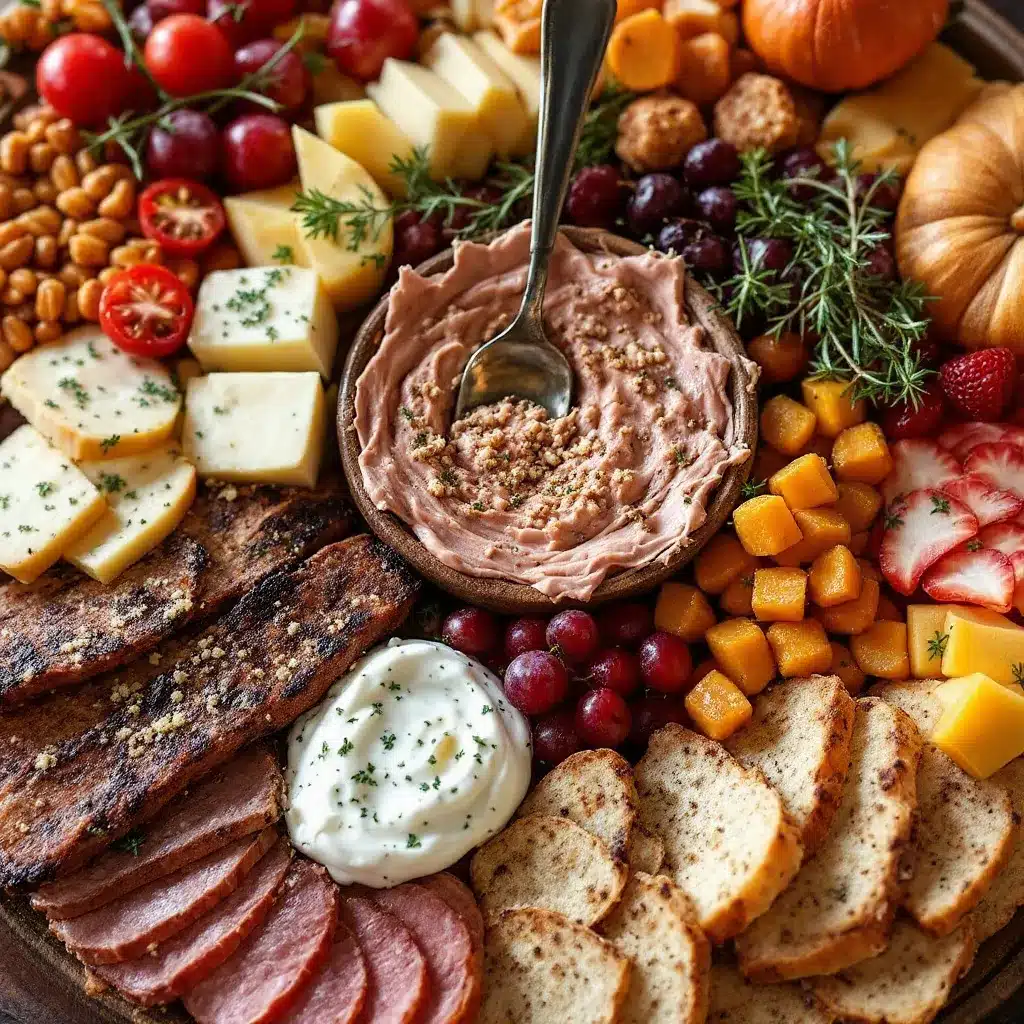
- Sharp Cheddar Cheese: Cut into cubes or thick slices. (Adds a classic, sharp punch.)
- Soft Brie or Camembert: Whole wheel or sliced. (Provides a creamy, rich contrast.)
- Manchego Cheese: Sliced into thin rectangles. (A Spanish cheese that pairs beautifully with fruit.)
- Goat Cheese Log: Rolled in herbs or left plain. (Adds a tangy, earthy note.)
For the Meats
- Prosciutto or Speck: Folded into loose rosettes. (I recommend finding a high-quality prosciutto for better texture.)
- Soppressata or Salami: Folded or rolled. (Adds a spicy, cured flavor profile.)
- Bacon: Cooked until crisp but still flexible. (Essential for that smoky, savory element.)
For the Crunch and Dips
- Mixed Crackers: Water crackers, seeded crackers, and pretzel crisps. (Variety is key for different dipping needs.)
- Roasted Pistachios: Shelled and unsalted. (Adds a vibrant green color and nutty crunch.)
- Whole Grain Mustard: In a small ramekin. (The acidity cuts through the fat of the cheese.)
- Fig Jam or Apricot Preserves: In a small ramekin. (I recommend homemade peach jam if you want to get fancy, but store-bought fig works perfectly.)
For the Fresh Elements
- Grapes: Red and green, washed and dried. (They act as natural spoons for the jam.)
- Dried Cranberries: Scattered loosely. (Adds chewiness and tartness.)
- Fresh Rosemary Sprigs: For garnish. (Looks beautiful and smells amazing.)
- Olives: Marinated mixed olives. (Adds a briny, salty kick.)
For the crackers, I always suggest buying two or three different types. If you only buy one kind, the board looks flat. The seeded crackers hold up well to wetter cheeses, while the delicate water crackers are better for softer spreads. When selecting cheeses, look for firm, small-curd options for the cheddar to ensure clean cuts. In summer, you might swap the dried cranberries for fresh berries, but for Friendsgiving, the dried fruit is much more appropriate for the season.
Equipment Needed
You don’t need anything fancy to pull this off. A large wooden board or a marble slab is ideal, but a large platter or even a clean sheet of parchment paper on a baking tray works in a pinch. I prefer wood because it absorbs some of the moisture from the cheese and keeps things from getting soggy. If you don’t have a dedicated cheese board, a large cutting board or a rustic serving tray is perfect.
You will need a sharp chef’s knife for the hard cheeses and a small spreader or knife for the soft cheeses. Having separate knives helps prevent flavor mixing, though for a casual board, it’s not strictly necessary. Small ramekins or bowls are crucial for holding the jams and mustards. I usually nestle these into the gaps between the larger cheese blocks to create height and visual interest. A small spoon for each dip is helpful, but guests often just use their crackers, which is fine for a casual setting.
If you are buying pre-sliced cheese, check the edges. Sometimes the slices stick together. A quick separation with your fingers helps them lay flat. I also recommend having paper towels handy to wipe the board if any juices leak. Budget-friendly options include using a large slate tile from a hardware store or a simple white ceramic platter. The key is having enough surface area. Crowding the board makes it look messy. Spread out. Let the ingredients breathe.
Preparation Method
- Prep Your Base: Place your board on a stable surface. If you are using a wooden board, ensure it is clean and dry. Start by placing your smallest items first. This includes the small ramekins with jam and mustard. Nestle them into the board. This anchors the design and gives you reference points for where to place the larger items. (Time: 2 minutes)
- Place the Cheeses: Take your cheeses out of the fridge about 20 minutes before serving to let them come to room temperature. This is crucial for flavor. Place the largest cheese blocks first, such as the brie wheel or the large cheddar block. Space them out evenly across the board. Do not cluster them all in one corner. You want a balanced distribution. (Time: 5 minutes)
- Add the Meats: Take your prosciutto and salami. Do not just lay them flat. Fold them into loose loops or roll them up. This adds volume and texture. Tuck these folds in between the cheese blocks. If you are using bacon, crumble it slightly or fold strips loosely. Scatter these around the board to fill in the empty spaces. (Time: 5 minutes)
- Fill the Gaps with Crunch: Now, add your crackers. Place them in small stacks or fan them out against the cheese blocks. Try to place them where they can easily be reached. Add your nuts, such as the pistachios, in small piles near the cheeses they pair well with. The olives and dried cranberries should be scattered loosely. Don’t overthink the placement. A little randomness looks more natural and abundant. (Time: 5 minutes)
- Add Fresh Elements: Toss the grapes and fresh herbs around the board. The grapes add a nice pop of color and freshness. The rosemary sprigs should be placed strategically to add height and a festive green look. Ensure the fresh items are dry to prevent sogginess. (Time: 3 minutes)
- Final Inspection: Step back and look at the board. Are there any large empty spaces? Fill them with more crackers or nuts. Is it too crowded? Remove some items. Ensure you have enough utensils or toothpicks if needed. The board should look abundant but organized. It should invite people to grab a piece. (Time: 2 minutes)
As you build, keep an eye on the color balance. You want a mix of whites, browns, greens, and reds. If the board looks too beige, add more dried fruit or grapes. If it looks too red, add more nuts or green herbs. The goal is visual appeal as much as taste. Remember, you are eating with your eyes first.
Cooking Tips & Techniques
The biggest mistake people make with grazing boards is overcrowding. It looks chaotic and makes it hard for guests to pick items without knocking things over. Leave space. Empty space is a design element. It gives the eye a place to rest and makes the food look more luxurious.
Another common error is using cold cheese. Cold cheese loses its flavor and becomes hard. Pull everything out at least 30 minutes before serving. This is especially important for soft cheeses like brie and goat cheese. They need to soften to be spreadable and flavorful. If you are serving in a cold room, you might need to bring them out closer to serving time, but room temperature is always best for taste.
When folding meats, think about texture. Flat slices look boring. Loops, rosettes, and folds add height. This makes the board look more professional and interesting. It also makes it easier for guests to pick up the meat with a cracker. Don’t just lay the prosciutto flat. Twist it. Make it interesting.
Use the “rule of odds” for your cheese types. Three or five types of cheese look more appealing than two or four. It creates a more dynamic visual rhythm. Also, vary the shapes. Have some cubes, some slices, some wheels, and some logs. This variety keeps the eye moving across the board.
If you are making this ahead of time, cover it loosely with plastic wrap and refrigerate. Bring it out 30 minutes before serving. This works for most items, but avoid adding fresh cut fruit or greens until the last minute to prevent browning or wilting. The jams and nuts are fine to sit out for hours.
Variations & Adaptations
This board is highly adaptable. If you have vegetarian guests, you can skip the meats and add more roasted vegetables or marinated tofu cubes. For a vegan version, use vegan cheeses and skip the honey. I often add a vegan cheese option just in case, and it usually gets just as many compliments as the dairy ones.
For a seasonal twist, add persimmons in the late fall or pears in the early autumn. These fruits pair beautifully with sharp cheddar and gorgonzola. If you want to make it more savory, add some roasted nuts like almonds or walnuts. I love adding rosemary roasted almonds for a festive touch.
You can also change the flavor profile by swapping the jams. Instead of fig jam, try a spicy pepper jelly or a honey mustard spread. These add a kick that complements the salty meats. For a sweeter board, add dark chocolate squares or dried apricots. It’s all about personal preference.
I once made a board with only Italian ingredients. It featured prosciutto, mozzarella balls, sun-dried tomatoes, and balsamic glaze. It was a huge hit and felt very cohesive. You can theme your board based on the cuisine you are serving with the main meal. If you are serving turkey, a traditional autumn board works best. If you are serving a different main, feel free to adjust the sides.
Serving & Storage Suggestions
Serve this board at room temperature. It should be the centerpiece of the table, placed where everyone can easily access it. Have plenty of napkins available, as some items can be messy. Small plates or even just napkins for guests to hold their snacks are helpful. I usually set out a few small forks for the softer cheeses, but most people prefer using crackers.
Pair this board with a crisp white wine, a light red, or a sparkling cider. The acidity in the wine cuts through the richness of the cheese and meat. If you are serving non-alcoholic guests, a sparkling water with lemon or a warm spiced tea works well. The board is versatile enough to match any beverage.
Leftovers can be stored in the refrigerator. Wrap the cheeses tightly in plastic wrap or place them in airtight containers. The meats should be stored in a sealed bag. The crackers and nuts should be kept in airtight containers to maintain crunch. The fresh fruit and greens should be consumed within a day or two. The jams and mustards can last much longer.
Flavors develop over time. The cheeses will absorb the smells of the room, so it’s best to serve them fresh. However, the board itself is best enjoyed within a few hours of assembly. If you leave it out for too long, the cheeses can dry out or become too soft. Plan your timing so the board is assembled just before guests arrive.
Nutritional Information & Benefits
This grazing board is rich in protein and healthy fats. The cheeses provide calcium and vitamin D, while the meats offer essential amino acids. The nuts add heart-healthy fats and fiber. It is a balanced snack that provides sustained energy. However, it is also high in sodium and saturated fat, so moderation is key. It is best enjoyed as a shared appetizer or snack rather than a full meal.
For those with dietary restrictions, this board can be modified. Gluten-free crackers are widely available and work just as well. For dairy-free options, there are many high-quality vegan cheeses on the market. Always check labels for allergens, especially if you are serving guests with nut or gluten allergies. The fresh fruits and vegetables add fiber and vitamins, balancing out the richer elements.
I find that this type of eating encourages mindfulness. Because you are picking small bites, you tend to eat slower and savor the flavors more. It is a more relaxed way to enjoy food compared to rushing through a meal. It allows for conversation and connection, which is the real nutritional benefit for your mental well-being.
Conclusion
This Ultimate Friendsgiving Grazing Charcuterie Board is more than just food. It is a solution for stress-free hosting. It allows you to enjoy your own party while providing your guests with a delightful, abundant experience. The combination of flavors, textures, and visuals makes it a standout dish that everyone will love. It is easy to make, easy to customize, and easy to clean up.
I encourage you to experiment with different cheeses and meats. Find what works for your taste and your budget. Don’t be afraid to add your own personal touches. Maybe you love spicy mustard, or maybe you prefer sweet jams. Make it yours. The most important ingredient is the love you put into sharing it with friends.
If you try this recipe, I would love to hear how it goes. Leave a comment below with your favorite cheese or meat combination. Share your photos on social media and tag me. I love seeing how you customize this board. Thank you for letting me share this part of my hosting journey with you. Here’s to good food, great friends, and stress-free evenings.
FAQs
How far in advance can I prepare the grazing board?
You can prepare most of the components a day in advance. Cut the cheeses and meats, and store them separately in the fridge. Assemble the board about 30-60 minutes before serving to allow the cheeses to come to room temperature. This ensures the best flavor and texture.
Can I make this board gluten-free?
Yes, absolutely. Simply swap the regular crackers for gluten-free options. There are many delicious gluten-free crackers made from rice, almond flour, or seeds that work perfectly. Ensure your meats and cheeses are certified gluten-free if you have celiac disease.
What is the best cheese for a beginner?
Sharp cheddar and brie are excellent choices for beginners. They are widely available, affordable, and pair well with almost any cracker or fruit. They also have a broad appeal, so you are less likely to have leftovers of something no one likes.
How do I keep the board from looking messy?
The key is to build height and use small containers. Place ramekins for jams and nuts to create elevation. Fold meats and arrange cheeses in distinct groups. Leave some empty space between items to prevent overcrowding. A little bit of empty space makes the board look more elegant.
Can I use fresh fruit instead of dried fruit?
Yes, fresh fruit like grapes, apples, and pears work great. Just be aware that fresh fruit can brown or get soggy faster than dried fruit. Add fresh fruit closer to serving time. Dried fruit is more stable and adds a chewy texture that contrasts well with crunchy crackers.
Pin This Recipe!
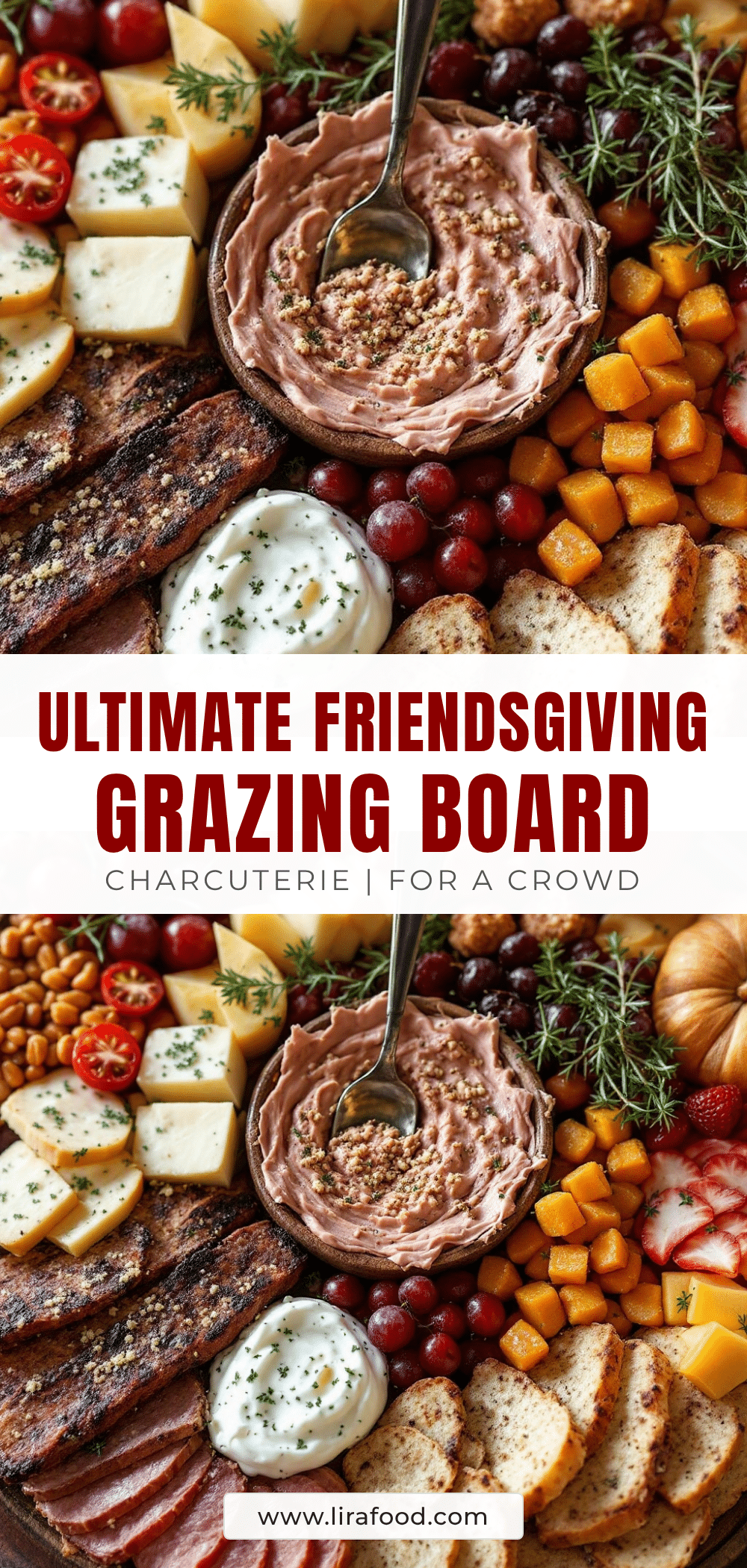
Ultimate Friendsgiving Grazing Charcuterie Board: Easy Party Platter
A stress-free, no-cook charcuterie board perfect for Friendsgiving or parties. This curated platter features a balance of salty, sweet, crunchy, and soft elements, allowing hosts to enjoy their own gatherings while serving an abundant, high-end looking spread.
- Prep Time: 20 minutes
- Cook Time: 0 minutes
- Total Time: 20 minutes
- Yield: 8-10 servings
- Category: Appetizer
- Cuisine: American
Ingredients
- Sharp Cheddar Cheese (cut into cubes or thick slices)
- Soft Brie or Camembert (whole wheel or sliced)
- Manchego Cheese (sliced into thin rectangles)
- Goat Cheese Log (rolled in herbs or plain)
- Prosciutto or Speck (folded into loose rosettes)
- Soppressata or Salami (folded or rolled)
- Bacon (cooked until crisp but flexible)
- Mixed Crackers (water crackers, seeded crackers, pretzel crisps)
- Roasted Pistachios (shelled and unsalted)
- Whole Grain Mustard (in small ramekin)
- Fig Jam or Apricot Preserves (in small ramekin)
- Grapes (red and green, washed and dried)
- Dried Cranberries
- Fresh Rosemary Sprigs
- Marinated Mixed Olives
Instructions
- Prep Your Base: Place your board on a stable surface. Place small ramekins with jam and mustard first to anchor the design.
- Place the Cheeses: Take cheeses out of the fridge 20 minutes before serving to reach room temperature. Place largest cheese blocks first, spacing them out evenly across the board.
- Add the Meats: Fold prosciutto and salami into loose loops or rolls to add volume. Tuck folds between cheese blocks. Crumble or loosely fold bacon strips and scatter around.
- Fill the Gaps with Crunch: Place crackers in small stacks or fan them out against cheese blocks. Add nuts in small piles near pairing cheeses. Scatter olives and dried cranberries loosely.
- Add Fresh Elements: Toss grapes and fresh rosemary sprigs around the board. Ensure fresh items are dry to prevent sogginess.
- Final Inspection: Step back to check for empty spaces or overcrowding. Fill gaps with more crackers or nuts. Ensure the board looks abundant but organized.
Notes
Pull cheeses out 30 minutes before serving to allow them to reach room temperature for better flavor and texture. Avoid overcrowding the board; leave empty space to make the food look more luxurious. Use the ‘rule of odds’ for cheese types (3 or 5) for better visual appeal. If making ahead, cover loosely with plastic wrap and refrigerate, bringing out 30 minutes before serving. Add fresh fruit and greens just before serving to prevent browning.
Nutrition
- Serving Size: Varied bites per per
- Calories: 450
- Sugar: 8
- Sodium: 850
- Fat: 32
- Saturated Fat: 12
- Carbohydrates: 18
- Fiber: 2
- Protein: 15
Keywords: charcuterie board, friendsgiving, party platter, grazing board, no-cook recipe, appetizer ideas, cheese board, holiday hosting, easy entertaining